Sri Guru Raghavendra Matrimony™ emblem
SRI GURU RAGHAVENDRA MATRIMONY™

The garden community of Bengaluru

Thigala Matrimony

The Thigala are the gardening community of Bengaluru — the people of the flower gardens, the orchards and the lakes that fed them, whose own quarter, Thigalarapete, is one of the old quarters of the city. A matrimony space worthy of that should carry what a Thigala household names first: the kula devaru, the native place, and the district the family belongs to.

ThigalaOther Thigala community

Begin when you are ready

Register now, or read about the Thigala heritage first

Creating an account takes a few minutes. If your family prefers to understand the space first, the sections below walk through the garden country of Bengaluru, the names the community carries, the temple at Thigalarapete, the Bengaluru Karaga, and how families record the kula devaru.

Registrations from this page stay within the Thigala community — every profile your family sees and contacts belongs to it.
The community that gardened a city

A heritage your family carries every day

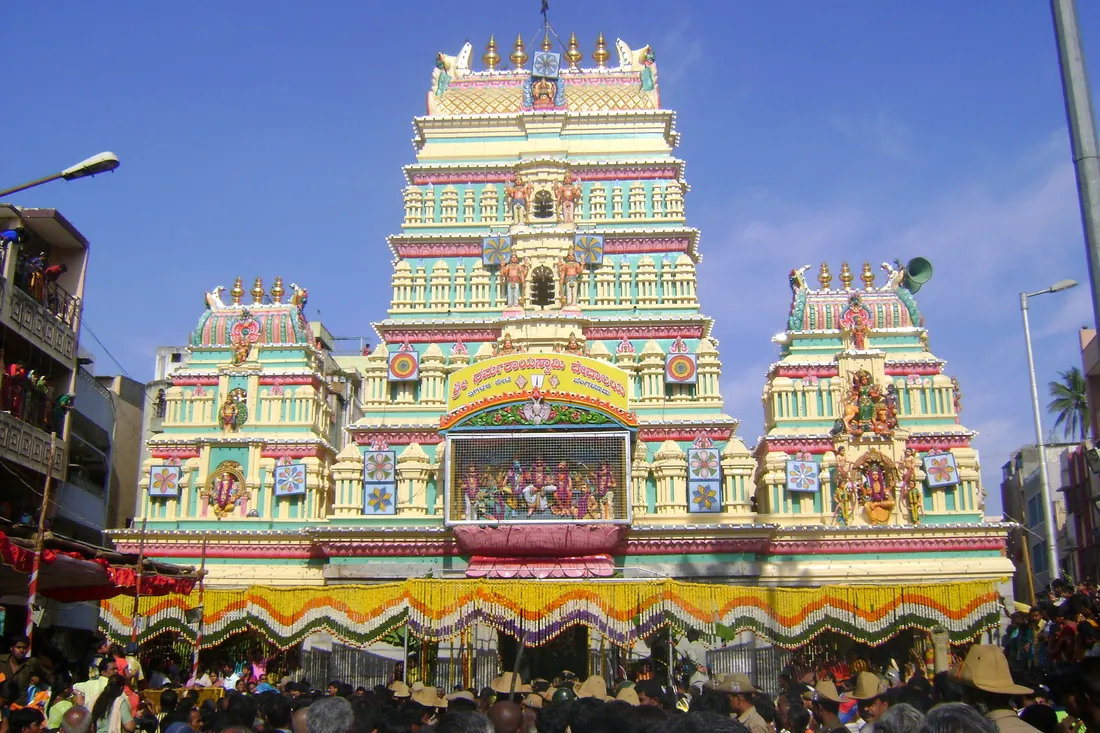
The Thigala are the gardening community of Bengaluru and the districts around it — market gardeners, flower growers and orchard keepers, whose own quarter in the old city, Thigalarapete, is one of the old trade quarters of the Bengaluru pete and still carries the community's name on its temple gate.

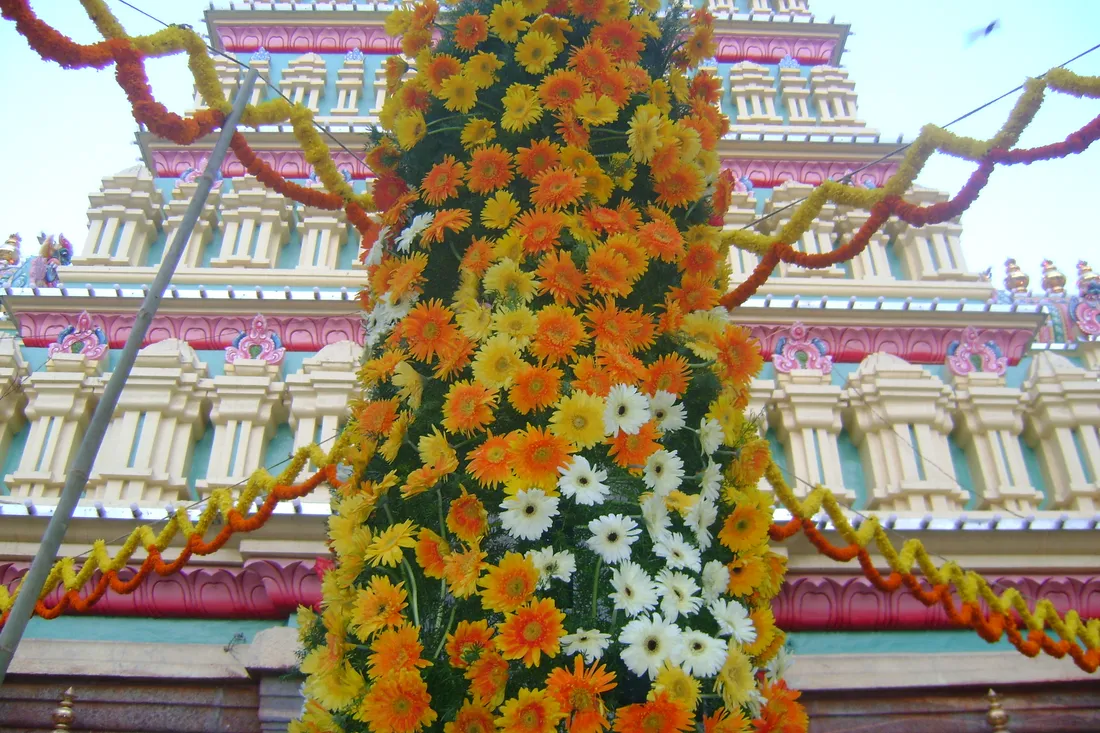
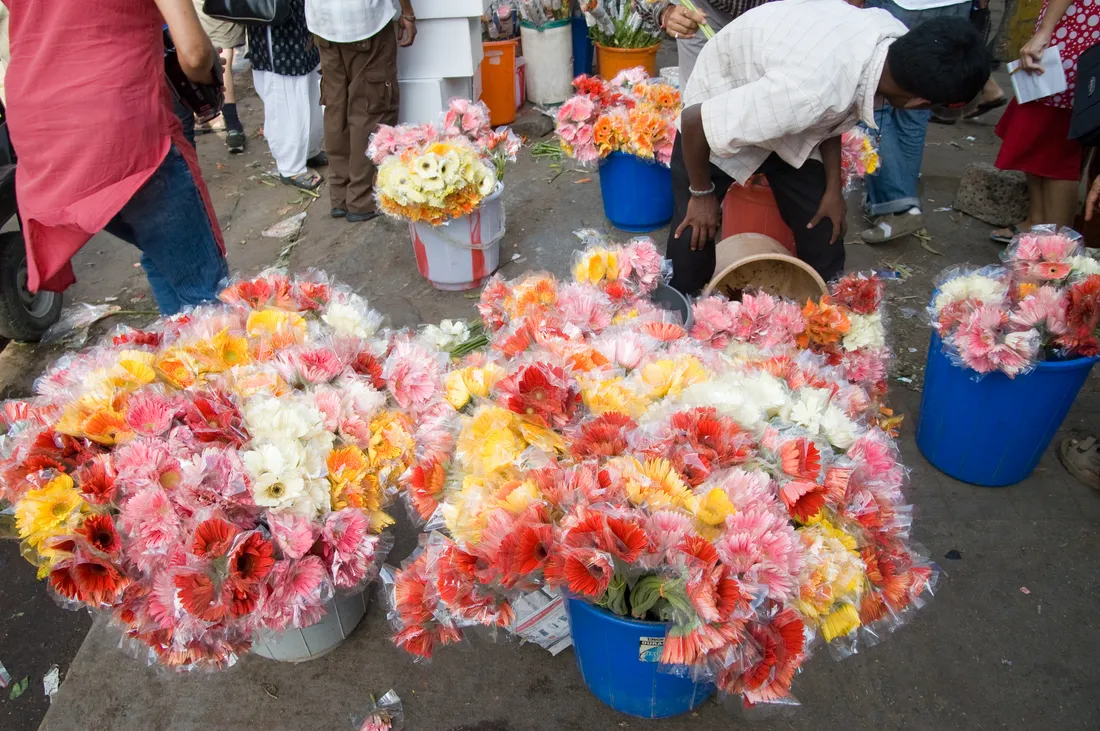
It is a heritage of water as much as of soil. Thigala families settled where the tanks and lakes of the Bengaluru plateau stood, and the gardens followed the water. The flowers of this city — the jasmine, the marigold, the roses that reach its markets before dawn — pass through Thigala hands still, and the community's great festival, the Bengaluru Karaga, is carried on a pot crowned with jasmine.

So a Thigala alliance begins with what a household actually names: the kula devaru and the village its temple stands in, the native place, and the district the family belongs to — with the dignity your family expects.

What families often ask first

What families often value first

  • Profiles carry the kula devaru, the native place and the family's own district, so your family knows the essentials before the first conversation.
  • Kannada-speaking and Tamil-speaking Thigala households are equally at home here, and you can see the mother tongue on every profile.
  • Registrations from this page stay within the Thigala community, so every profile your family considers belongs to it.

What your family will find inside

Everything your family checks, before the first phone call

These are the details Thigala households settle first — and they are visible before any contact is exchanged.

Government ID verified members stand out

Members who complete Government ID verification carry a clear mark, giving your family added reassurance at a glance.

Filter by native place, district and mother tongue

Narrow the search by native place and family origin — Bengaluru Urban, Bengaluru North, Bengaluru South, Kolar, Chikkaballapura, Tumakuru and beyond — and by mother tongue, so a Kannada-speaking or a Tamil-speaking household can search the way it prefers. The kula devaru a household keeps is written on the profile itself, for your family to read before the first conversation.

Education, work, and family background together

Degrees, professions, and family character read clearly on every profile, in the same order elders weigh an alliance.

Lineage recorded your way

Write your kula devaru in your own words, exactly as your family says it, and the village or town the temple stands in beside it — the deity first, then the village, the way an elder says it aloud when another family asks. Leave it blank if your household does not keep one. There is no list you have to fit into.

Contact details are not shown openly

Phone numbers and email are not shown openly on profiles. A member uses the Reveal Contact feature to see another member's details and reach out directly when they are ready to take an introduction forward.

Interest is never lost

Shortlists and the profiles your family has already opened stay saved, so you can return to a promising profile after the household has talked it over.

Built around how Thigala alliances actually happen

Whether your family's search stays within Bengaluru and the districts around it or reaches further, the details that matter — the kula devaru, the native place and the district — are always in view.

Why families feel at ease

Why Thigala families feel at home

The details that decide an alliance sit together in one place, presented the way your family would present them.

Your own community, kept whole

Thigala families register as Thigala, and matches stay within the community — no merging with any other, and nothing assumed from a surname.

Both mother tongues, equally honoured

Many Thigala households in and around Bengaluru speak Tamil at home while living their public life in Kannada; others speak only Kannada. Both are the community's own, and neither is treated as the exception.

Comfortable for parents and members alike

Whether the search is led by a parent, a sibling, or the member themselves, the profile reads clearly for all of them.

Move at your family's pace, with tradition honoured up front and you reach out when your family is ready.

The garden country of Bengaluru

The gardens, the flowers and the lakes

Long before Bengaluru was a city of offices it was a city of gardens, and the Thigala were the people who kept them. It is a heritage of water and soil together — and it is still visible every morning in the flower markets of the city.

Market gardeners, and growers of the betel vine

The early record sets the work down plainly: kitchen and market gardeners, growers of the betel vine, and keepers of fruit gardens tended with unusual care. Where the tanks and lakes of the plateau stood, Thigala families settled and the gardens followed the water — which is why the community's story and the city's lakes are told together. The community is remembered for its part in the making of Lalbagh, laid out on the south of the city in the seventeen-sixties.

  • Market and kitchen gardens, orchards and the betel vine
  • Flowers grown for the temples and the markets of the city
  • Settlement along the tanks and lakes of the Bengaluru plateau

Where Thigala families are found

Thigalarapete in the old city is the community's own quarter and one of the old trade quarters of the Bengaluru pete. Beyond it, families are settled across Bengaluru Urban and Bengaluru Rural, Kolar and Chikkaballapur, Ramanagara, Tumkur and the towns between them — Hoskote, Anekal, Malur and Kunigal among them. Among flower-growing households a saying is still repeated as a matter of ordinary respect: that flowers are meant for the deity, and are never to be stepped on.

Practice and emphasis differ from one district and family network to another — this is heritage held with pride, not a single rule book.

The names the community carries

Thigala, and the other names families answer to

A family may answer to more than one name, and all of them belong to the same community. Here they are simply set down, without any claim attached to them.

The names

Thigala is the name most families use, and it is written Tigala as well; Thigalaru and Thigilaru are the everyday plural forms. Vahnikula Kshatriya is the name the community's own sanghas carry, including the state body, and many families answer to it. Whichever your household uses, this is the same community and the same space.

  • Thigala, also written Tigala
  • Thigalaru, Thigilaru
  • Vahnikula Kshatriya

Two mother tongues, one community

Many Thigala families in and around Bengaluru speak Tamil at home while living their public life in Kannada; others speak only Kannada. Both are the community's own. Your mother tongue sits on the profile, so a household searching in either language finds the families it is looking for.

If your family's name is not listed here, Other Thigala community keeps you among your own people.

The goddess, and the temple in the pete

Draupadi, and the temple at Thigalarapete

The devotional life of the community turns on a goddess — and her temple stands in its own quarter of Bengaluru.

Draupadi, honoured as Adi Shakti

Draupadi is honoured by Thigala families as Adi Shakti, the first power, and the community traces itself to her. The community's own account of her is kept in the Karaga Purana, recited in the days of the festival.

The Dharmaraya Swamy temple

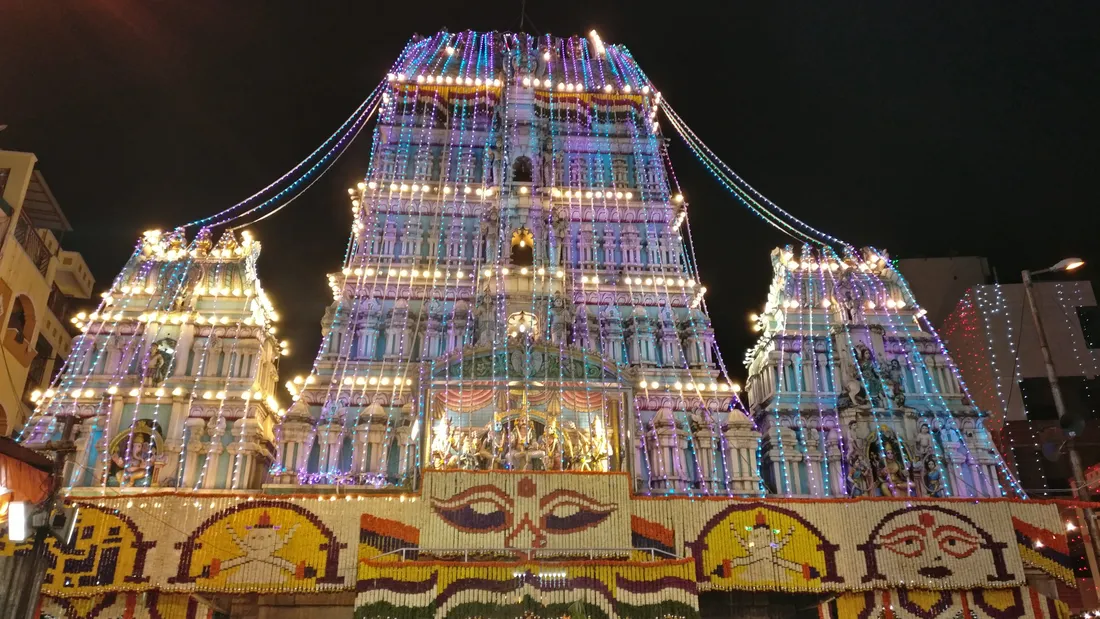
The Sri Dharmaraya Swamy temple at Thigalarapete is the centre of the community's religious life and is centuries old. It honours Dharmaraya and his brothers together with Draupadi, and it is from here that the Karaga sets out and to here that it returns.

  • Dharmaraya and his brothers, with Draupadi, honoured together
  • The temple in Thigalarapete, the community's own quarter
  • The Karaga Purana, the community's own account

This temple and this tradition are named here with reverence and gratitude alone, as heritage the community holds dear; this space is not affiliated with either. What your household keeps — a guru, a matha, a lineage — is yours to name, and yours alone.

The festival the city walks with

The Bengaluru Karaga

On the full moon of Chaitra the Karaga goes through the old city, and Bengaluru stays awake for it. It is the community's own festival, kept for centuries, and it is the one night of the year when the whole city walks with it.

The pot, and the night it is carried

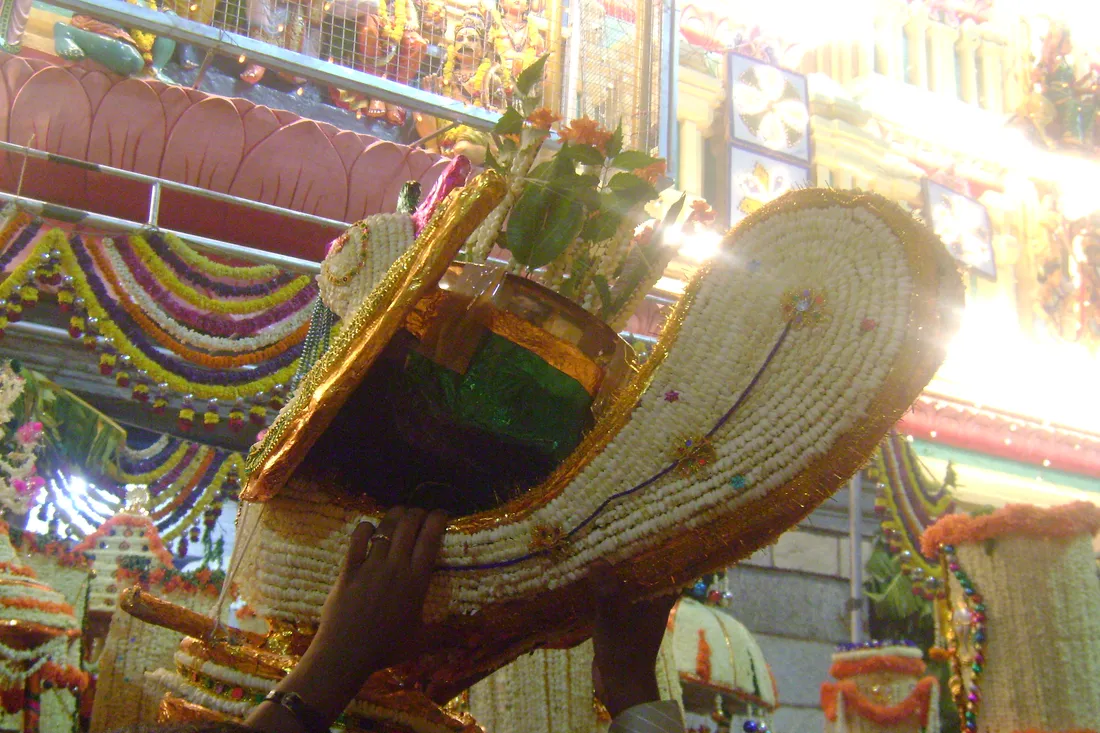
The carrier is chosen months in advance and prepares in discipline and in solitude. The Hasi Karaga is first shaped in clay lifted from the bed of one of the city's own tanks, and on the night of the festival the pot is crowned tall with jasmine and carried on the head, untouched by the hands, through the streets of the pete and back before dawn. Lamps shaded with jasmine go ahead of it.

  • Chaitra Purnima, the full moon of the first month
  • The Hasi Karaga, shaped in clay from one of the city's own tanks
  • The pot crowned with jasmine, carried on the head
  • Returning to the temple before daybreak

Eleven days in the household

The festival is eleven days long and it is kept at home as much as at the temple. Families eat from plantain leaves and sleep on new mats for its duration; the Pongal Seve is cooked and the prasada shared; and the Vasantotsava closes the season. For households across the old city these eleven days are the fixed point of the year, the time relatives travel back for and alliances are often spoken of.

The Bengaluru Karaga is carried and sustained by the Thigala community; today the whole city walks with it.

Understanding the traditions

Kula devaru, and how families trace lineage

Thigala families most often name a kula devaru, the family deity — and the profile is built for exactly that.

The family deity, and the village it belongs to

The early record is clear that Thigala families trace themselves through groups each named for a patron deity, and that is still how many households answer the question — by the kula devaru they keep. Write it exactly as your family says it, and add the village or town the temple stands in — many families share a deity name, and the village is what makes it recognisable.

  • The kula devaru, written the way your family says it
  • The village or town the temple stands in
  • The native place and the district the family belongs to
  • No list to fit into, and nothing assumed from a surname

If your family uses a gotra, there is a place for it

Some Thigala households do name a gotra and others do not, and neither is treated as the standard here. There is an optional place for it, written the way your family says it, and it is entirely fine to leave it blank. Nothing on the profile is assumed from what a household chooses not to fill in.

The same-lineage check, made the way your elders make it

The check your family has always made is the one you can make here — the kula devaru and the village its temple stands in, the native place, and the district the family comes from, all in plain view before the first conversation, so an elder can weigh them here exactly as they would at home.

Households differ in how they weigh the lineage line — some settle it first, others read it alongside the horoscope and the family's overall comfort.

Questions families ask

Common questions from Thigala families

Will we only see Thigala profiles here?

Yes. Registering through this page places your profile in the Thigala community, and every profile you see, match with, or contact belongs to it.

Our family says Vahnikula Kshatriya rather than Thigala — is this the right place for us?

Yes. Thigala, Tigala, Thigalaru and Vahnikula Kshatriya are names for the same community, and families answering to any of them belong here. Register as Thigala and your profile sits with the rest of the community.

We are a Tamil-speaking Thigala family. Will we be searching among Kannada-speaking families?

You will be searching within the whole Thigala community, and mother tongue is on every profile — you can also filter your matches by it, so a Tamil-speaking household can narrow to Tamil-speaking Thigala families and a Kannada-speaking household to Kannada-speaking ones. Many Thigala households in and around Bengaluru speak Tamil at home while living their public life in Kannada, and others speak only Kannada — both are the community's own, and you can weigh language alongside everything else.

How is our family's lineage recorded?

Most Thigala families name a kula devaru, the family deity, rather than a rishi gotra — so that is what the profile asks for first, written exactly the way your household says it, with the village or town the temple stands in alongside. If your family does use a gotra there is an optional place for it too. There is no list to fit into, nothing is assumed from a surname, and you may leave either one blank.

Will our phone number be visible to everyone?

It is not shown openly on your profile. A member who wants to take an introduction forward can see your contact through the app's Reveal Contact feature and reach you directly, and Government-ID-verified badges help you know who you are speaking with.

Next step

Register or login when your family is ready to continue

Create your account and step into the Thigala section of Sri Guru Raghavendra Matrimony, where your kula devaru, the native place and your family's own district are part of every profile — for Thigala families of Bengaluru and the districts around it, and your family sets the pace.