Sri Guru Raghavendra Matrimony™ emblem
SRI GURU RAGHAVENDRA MATRIMONY™

The gardens by the river

Kushwaha / Maurya Matrimony

Kushwaha, Maurya, Shakya, Kachhi and Koeri families are welcome here. This page is for Hindu families of these names in Uttar Pradesh, Madhya Pradesh and Jharkhand, wherever they live today.

Kushwaha / Maurya

Begin when you are ready

Register now, or read about Kushwaha and Maurya heritage first

Creating an account takes a few minutes. If your family prefers to understand the space first, the sections below walk through the gardens of the kachhar, three generations on both sides, and the evening the bride comes home to stay.

Registrations from this page stay within the Kushwaha / Maurya community — every profile your family sees and contacts belongs to it.
Where the families live

A heritage your family carries every day

Kushwaha, Maurya, Shakya, Kachhi and Koeri families make their homes in Uttar Pradesh, Madhya Pradesh and Jharkhand, and in Delhi; many come from districts where their families' gardens once supplied the town markets.

When a match is talked over, the elders look to the mother's people as closely as to the father's line.

Whatever name a family uses — Kushwaha, Maurya, Shakya, Kachhi or Koeri — it is the family's own to say.

What families often ask first

What families often value first

  • Write your samaj or group — Kachhi, Shakya, Koeri, or the name your family uses — in your own words.
  • Search by native district — Jhansi, Lalitpur, Etah, Farrukhabad, Lucknow, Barabanki, Sagar, Jabalpur, Vidisha, Palamu and many more.
  • The gotra or kul has its line, and so does the mother's family, for the elders to read.

What your family will find inside

Before the families meet

The lines elders weigh are there to read: the gotra or kul, the mother's family, the family deity and the samaj.

Government ID verified members stand out

Members who complete Government ID verification carry a clear mark, giving your family added reassurance at a glance.

Narrow the search by native district

Jhansi or Jabalpur, Etah or Palamu, and many more — search by the native district your family calls home.

Lineage recorded your way

The gotra or kul, the mother's family, the family deity and your samaj are each written as your elders say them — there is no list you have to fit into.

Education, work, and family background together

Degrees, professions, and family character read clearly on every profile, in the same order elders weigh an alliance.

Contact details are not shown openly

Phone numbers and email are not shown openly on profiles. A member uses the Reveal Contact feature to see another member's details and reach out directly when they are ready to take an introduction forward.

Interest is never lost

Shortlists and the profiles your family has already opened stay saved, so you can return to a promising profile after the household has talked it over.

Built around how Kushwaha and Maurya alliances are made

Whichever name your family uses, the details that matter to the elders are set out plainly, from the first profile they open.

Why families feel at ease

Why Kushwaha and Maurya families feel at home

The details that decide an alliance sit together in one place, presented the way your family would present them.

Every name welcome

Kushwaha or Kushwah, Maurya, Shakya, Kachhi, Koeri or Koiri — write the name your family uses in the samaj line, just as you say it.

The district on every profile

The native district on each profile lets a family begin with the places it knows.

Comfortable for parents and members alike

Whether the search is led by a parent, a sibling, or the member themselves, the profile reads clearly for all of them.

Move at your family's pace, with tradition honoured up front and you reach out when your family is ready.

Gardens

The gardens of the kachhar

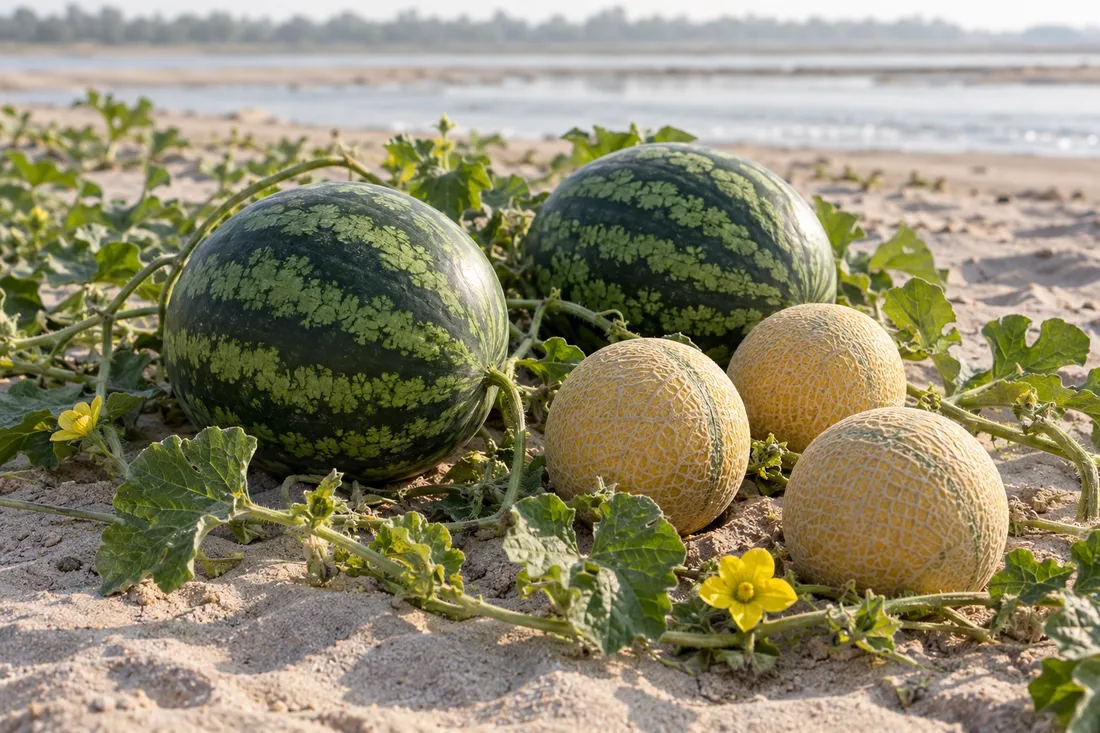
The kachhar is the soft, moist land along a river's banks — and for generations many of these families made it, and the edges of the towns, into gardens.

An illustration of ripe striped watermelons and small golden muskmelons among their vines on pale river sand in the morning, shallow water shining far behind

Melons on the river sand

When the river ran low, melons and vegetables were grown on the sandy stretches of its bed and on the land along its borders.

At the edge of the town

Gardens close to the towns sent fresh vegetables to their markets; old accounts from around Kasganj, Farrukhabad and Jhansi describe how closely these gardens were worked.

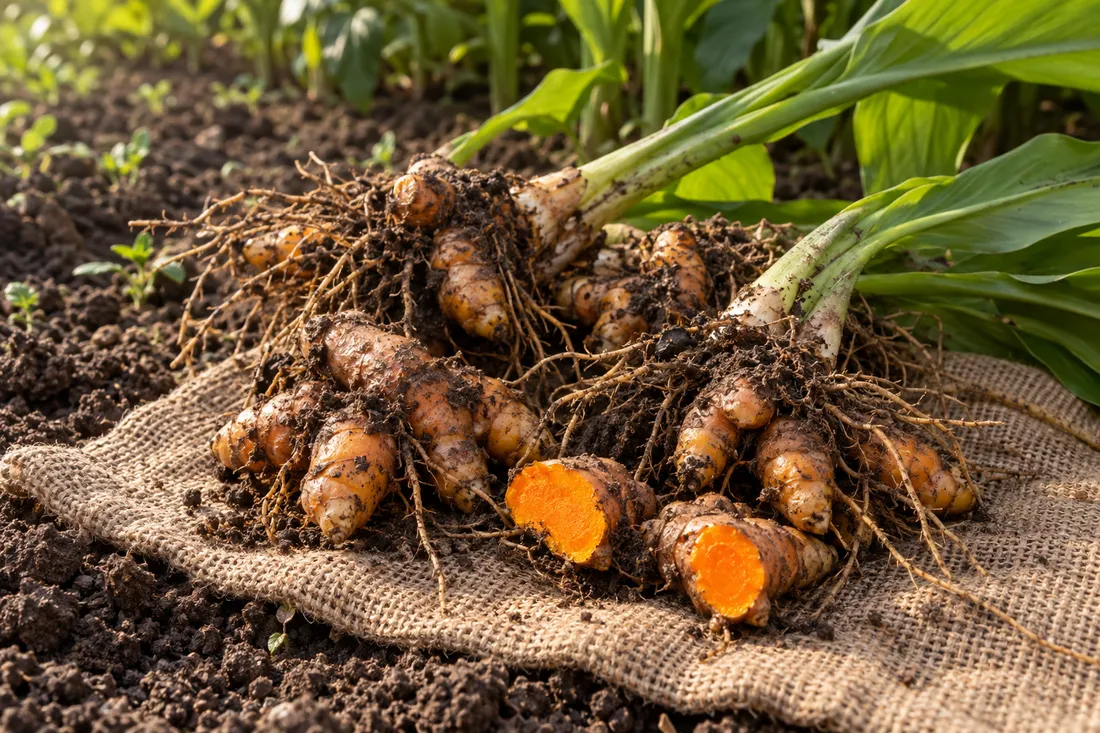
An illustration of freshly lifted turmeric, broken open to its orange heart, resting on a jute sack on dark garden soil

Turmeric in the garden

Old accounts of Kachhi families name turmeric among their garden crops, and some families' old names came from haldi.

Gardens like these were kept by many families of the region; each family remembers its own.

The mother's side too

Three generations, both sides

Old records describe elders looking three generations back, on the father's side and the mother's, before a match was agreed; today each family's elders keep their own rule.

The families an elder checked

An 1896 account names them: the mother's brother's family, the father's sister's and the mother's sister's.

From the same parents

Another, from 1916, records that the descendants of the same parents did not marry one another for three generations.

Some families count three generations, some fewer.

Welcoming the bride

When the bride comes home to stay

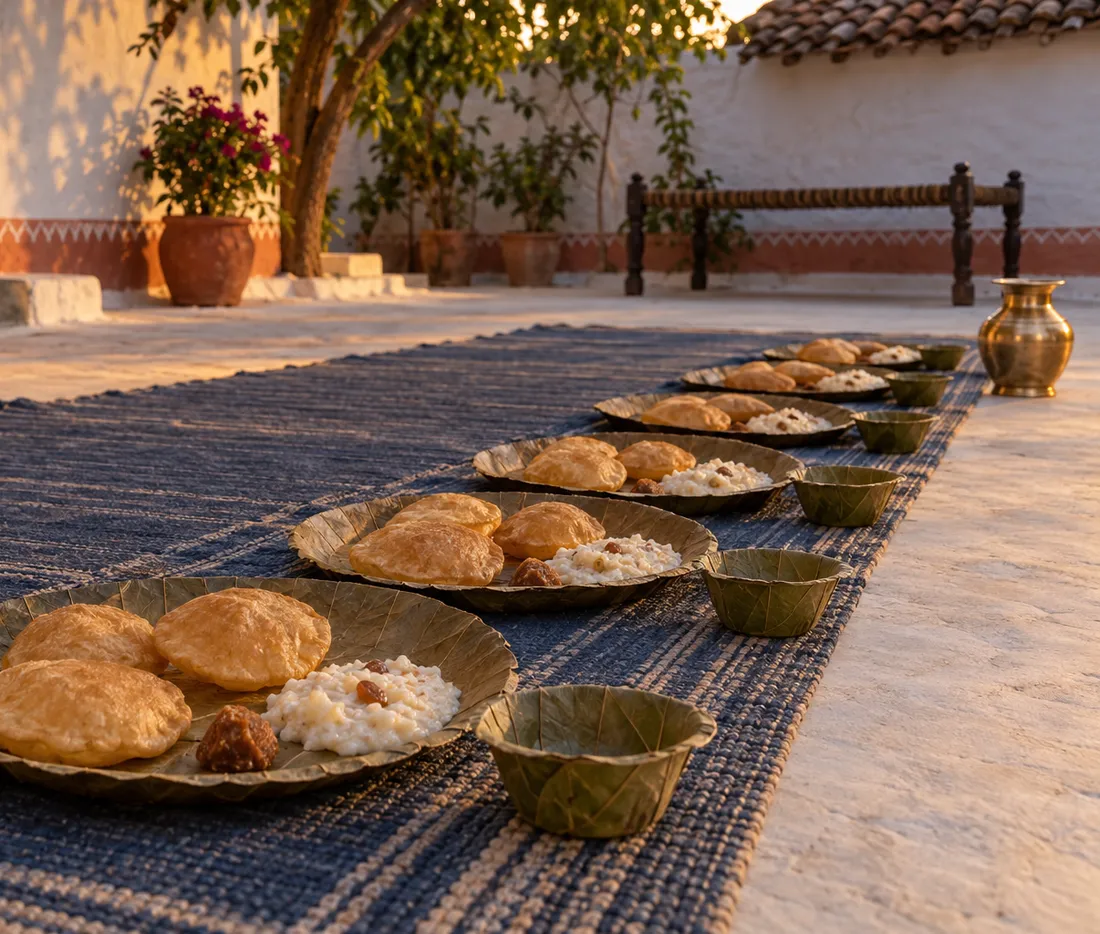
A record from 1896 of Koeri families in eastern Uttar Pradesh describes the day, a few days after the wedding, when the bride is brought home to stay — and an evening that honours the women of the house.

An illustration of leaf plates of puri and kheer set out along a striped cotton dari in a courtyard at dusk, a brass lota at the end of the row

Brought in by her mother-in-law

Her mother-in-law herself brought her into the house and fed her puri and kheer.

The women eat first

That evening the women of the wider family were fed first, and the men after them — a custom the record notes as seemingly the Koeri families' own.

Recorded once, long ago; families today keep their own ways of welcoming a bride.

Questions families ask

Common questions from Kushwaha / Maurya families

Will we only see Kushwaha and Maurya profiles here?

Yes. Registering through this page places your profile in the Kushwaha / Maurya community, and every profile you see, match with, or contact belongs to it.

How is our family's lineage recorded?

Your gotra or kul is written in your own words, with a line for your mother's gotra or family, the family deity and your samaj or group. Nothing is read from a family name, and you may leave any of it blank.

We are Shakya, Kachhi or Koeri — is this our page?

Yes. Families who say Kushwaha, Kushwah, Maurya, Shakya, Kachhi, Koeri or Koiri are all welcome here; write the name your family uses in the samaj line. Some families of other communities carry Maurya or Shakya as a surname, and nothing is assumed from it.

Will our phone number be visible to everyone?

It is not shown openly on your profile. A member who wants to take an introduction forward can see your contact through the app's Reveal Contact feature and reach you directly, and Government-ID-verified badges help you know who you are speaking with.

Next step

Register or login when your family is ready to continue

Create your account and step into the Kushwaha and Maurya space on Sri Guru Raghavendra Matrimony, where your gotra, your samaj and your native district are part of every profile from the first day — for Kushwaha, Maurya, Shakya, Kachhi and Koeri families wherever they live today, and your family sets the pace.