Sri Guru Raghavendra Matrimony™ emblem
SRI GURU RAGHAVENDRA MATRIMONY™

A cloth woven by the bride, and lamps around the maral

Ahom Matrimony

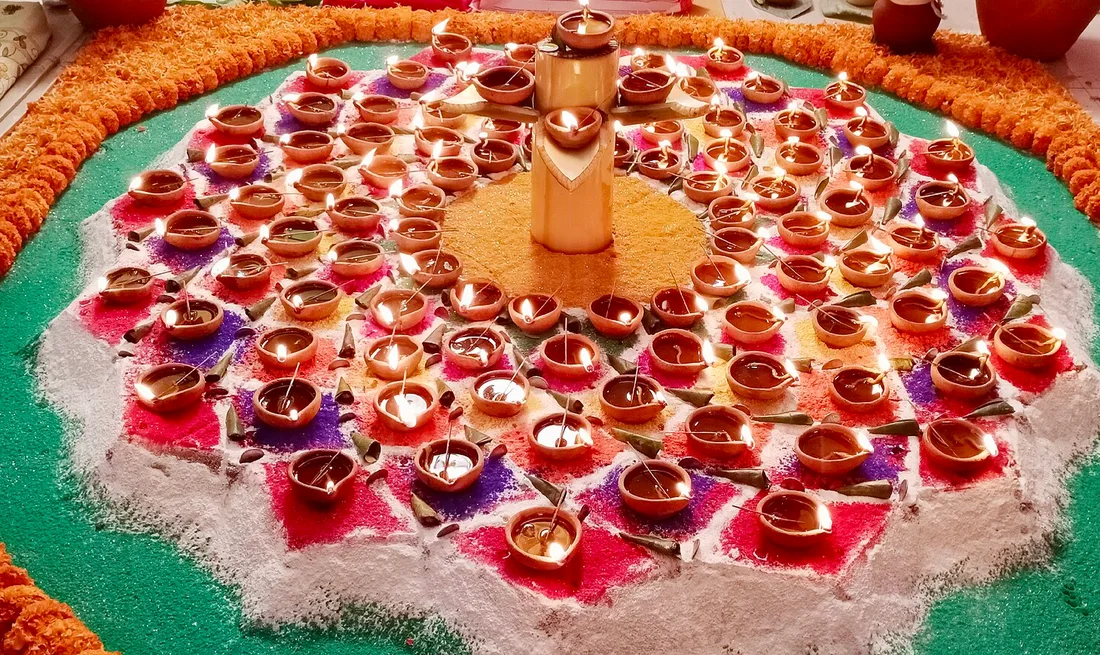
At a Chaklang wedding, the couple make their vows before the maral, an eight-sided altar lit with 101 earthen lamps. This page is for Ahom families of Sivasagar, Charaideo and the rest of Upper Assam, and of every town and city they have made home.

Ahom

Begin when you are ready

Register now, or read about Ahom heritage first

Creating an account takes a few minutes. If your family prefers to understand the space first, the sections below walk through Upper Assam and the Tai Ahom script, the Chaklang wedding, and the phoid and the family deity.

Registrations from this page stay within the Ahom community — every profile your family sees and contacts belongs to it.
Upper Assam

A heritage your family carries every day

Sivasagar and Charaideo, and the districts of Upper Assam around them, are home to Ahom families.

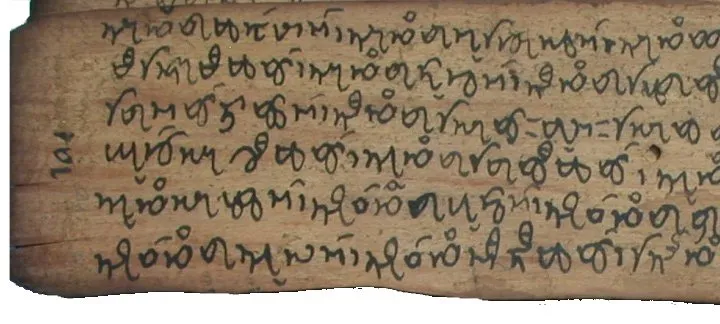
Families talk in Assamese today; the older Tai Ahom script survives in manuscripts written centuries ago.

At Chaklang, the Ahom wedding, the history of both families is told to the couple, seven generations back.

What families often ask first

What families often value first

  • Two lines for lineage, the phoid and the family deity, spelled as your family says them.
  • Search by native district — Sivasagar, Charaideo and many more.
  • Whether home is Sivasagar or a city far from it, every profile here belongs to an Ahom family.

What your family will find inside

Phoid, family deity and native district

Two Ahom households can each read the other's phoid, family deity and native district, and weigh them at leisure.

Government ID verified members stand out

Members who complete Government ID verification carry a clear mark, giving your family added reassurance at a glance.

Narrow the search by native district

Sivasagar, Charaideo or any other district: begin with families from your own district, or look across Assam and beyond in one go.

Lineage recorded your way

The phoid and the family deity go on the profile in your family's own words — there is no list you have to fit into.

Education, work, and family background together

Degrees, professions, and family character read clearly on every profile, in the same order elders weigh an alliance.

Contact details are not shown openly

Phone numbers and email are not shown openly on profiles. A member uses the Reveal Contact feature to see another member's details and reach out directly when they are ready to take an introduction forward.

Interest is never lost

Shortlists and the profiles your family has already opened stay saved, so you can return to a promising profile after the household has talked it over.

Built around how Ahom alliances are made

Where a family has written in its phoid, the profile shows it with the native district.

Why families feel at ease

Why Ahom families feel at home

The details that decide an alliance sit together in one place, presented the way your family would present them.

Assamese, the language of home

Every profile shows a mother tongue, so Assamese-speaking homes are easy to see.

Living far from Upper Assam

Families who left Upper Assam long ago can still be found by the district they come from.

Comfortable for parents and members alike

Whether the search is led by a parent, a sibling, or the member themselves, the profile reads clearly for all of them.

Move at your family's pace, with tradition honoured up front and you reach out when your family is ready.

Home and speech

East of the Dikhow, and far beyond it

Ahom families make their homes in Upper Assam, around Sivasagar and Charaideo, and in towns and cities well beyond it.

A page of an eighteenth-century manuscript handwritten in the Tai Ahom script on a long, narrow folio

Around Sivasagar and Charaideo

South of the Brahmaputra and east of the Dikhow river, around Sivasagar and Charaideo, is where Ahom families have lived for generations.

Assamese today

Assamese has long been the language of Ahom homes, in the villages of Upper Assam and in the cities alike.

The Tai Ahom script

The older Tai Ahom language and its script live on in manuscripts written on sanchi bark.

A family far from Upper Assam still carries its native district, the place it calls home.

Chaklang

The Ahom wedding, before the maral

Chaklang is the Ahom wedding. It once ran over nine days, then seven, then five; today it is kept over three.

Lit with a hundred and one lamps

At the heart of the wedding is the maral, an eight-sided altar laid out in colours, lit with 101 earthen lamps and sheltered by four banana plants; the couple make their vows before it.

Seven generations told

The history of both families, going back seven generations, is told to the couple.

A ring in the rice

Each of them hides a ring in a basket of uncooked rice for the other to find and wear.

The kavas-kapor

The bride gives the groom a cloth she has woven herself, the kavas-kapor, for his protection.

Where a family holds Chaklang, the details vary from home to home, and many of its customs are shared with other Assamese weddings.

Phoid and family deity

The phoid, and the family deity

Two lines carry an Ahom family's lineage: the phoid, its clan, and the family deity, where the family keeps one. Ahom families have long married outside their own phoid.

Written in English letters

Spell the phoid in English letters, just as it is spoken at home.

Named as the family names it

If the family honours a deity of its own, write its name on the second line.

Both lines are optional

A family that does not keep a phoid or a family deity leaves that line empty.

The elders read the phoid first; what it means for a match is theirs to decide.

Questions families ask

Common questions from Ahom families

Will we only see Ahom profiles here?

Yes. Registering through this page places your profile in the Ahom community, and every profile you see, match with, or contact belongs to it.

How is our family's lineage recorded?

The phoid and the family deity are written on two lines of their own, in your family's words. Neither is ever filled in from your surname, and either can stay empty.

We left Upper Assam many years ago. Do we still belong here?

Yes. Ahom families settled in other towns, in other states or abroad belong here as much as families still living in Upper Assam.

Will our phone number be visible to everyone?

It is not shown openly on your profile. A member who wants to take an introduction forward can see your contact through the app's Reveal Contact feature and reach you directly, and Government-ID-verified badges help you know who you are speaking with.

Next step

Register or login when your family is ready to continue

Create your account and step into the Ahom space on Sri Guru Raghavendra Matrimony, where the phoid, the family deity and the native district are part of every profile from the first day — for Ahom families of Sivasagar, Charaideo and the rest of Upper Assam, wherever they live today, and your family sets the pace.