Sri Guru Raghavendra Matrimony™ emblem
SRI GURU RAGHAVENDRA MATRIMONY™

The covered garden, and Nag Devta's day

Chaurasia Matrimony

Every Nag Panchami, many Chaurasia families keep their own day, Chaurasia Divas. This page is for Hindu Chaurasia, Barai, Tamoli and Tamboli families of Madhya Pradesh, Uttar Pradesh and Rajasthan, wherever they live today.

Chaurasia

Begin when you are ready

Register now, or read about Chaurasia heritage first

Creating an account takes a few minutes. If your family prefers to understand the space first, the sections below walk through the bareja, Chaurasia Divas and Nag Devta, and the old rules of a match.

Registrations from this page stay within the Chaurasia community — every profile your family sees and contacts belongs to it.
Bundelkhand, eastern Uttar Pradesh and Malwa

A heritage your family carries every day

Chaurasia families are at home in Bundelkhand, from Sagar and Damoh to Lalitpur and Mahoba; around Gwalior, Jabalpur and Katni; in Neemuch in Malwa; in Varanasi, Prayagraj and Mirzapur; and in Lucknow, Kanpur, Agra and Bharatpur.

At home the speech is Bundeli in Bundelkhand, Bhojpuri in eastern Uttar Pradesh, Malvi around Neemuch and Braj around Agra and Bharatpur, with Hindi shared by all.

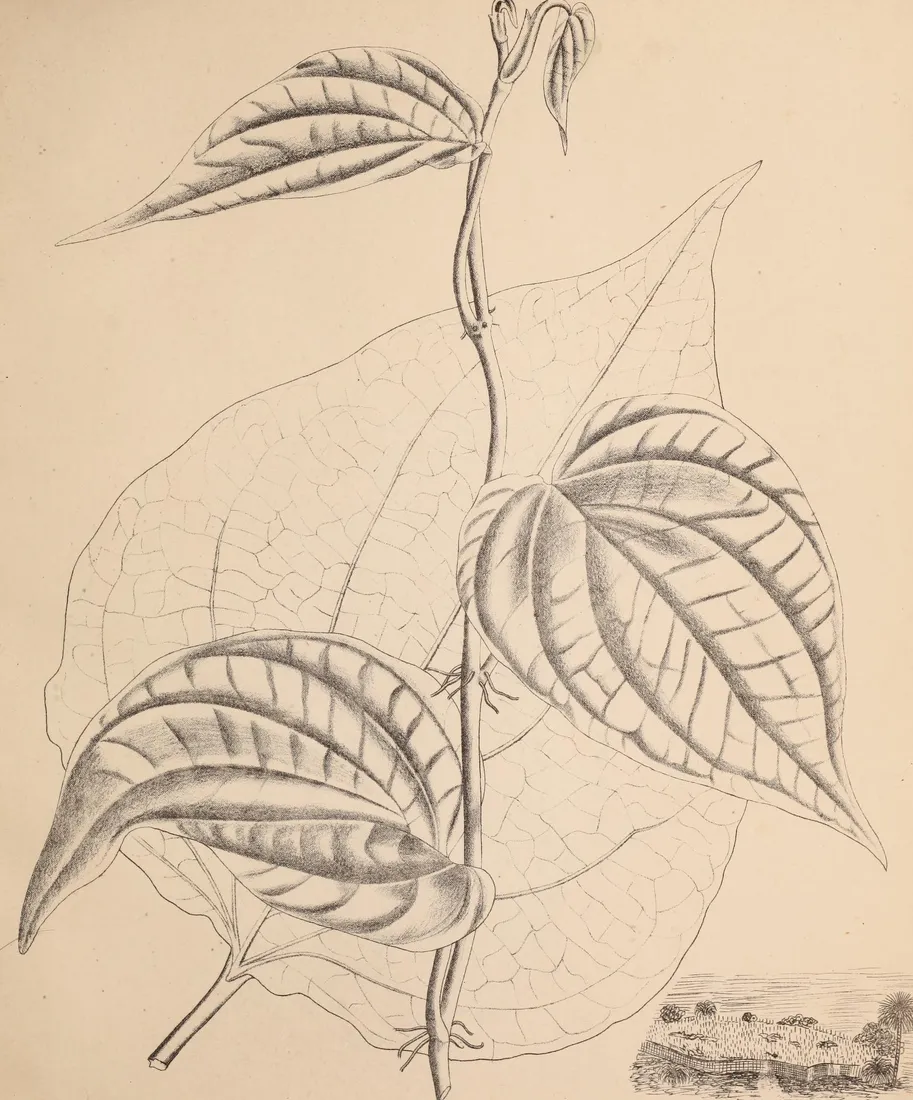
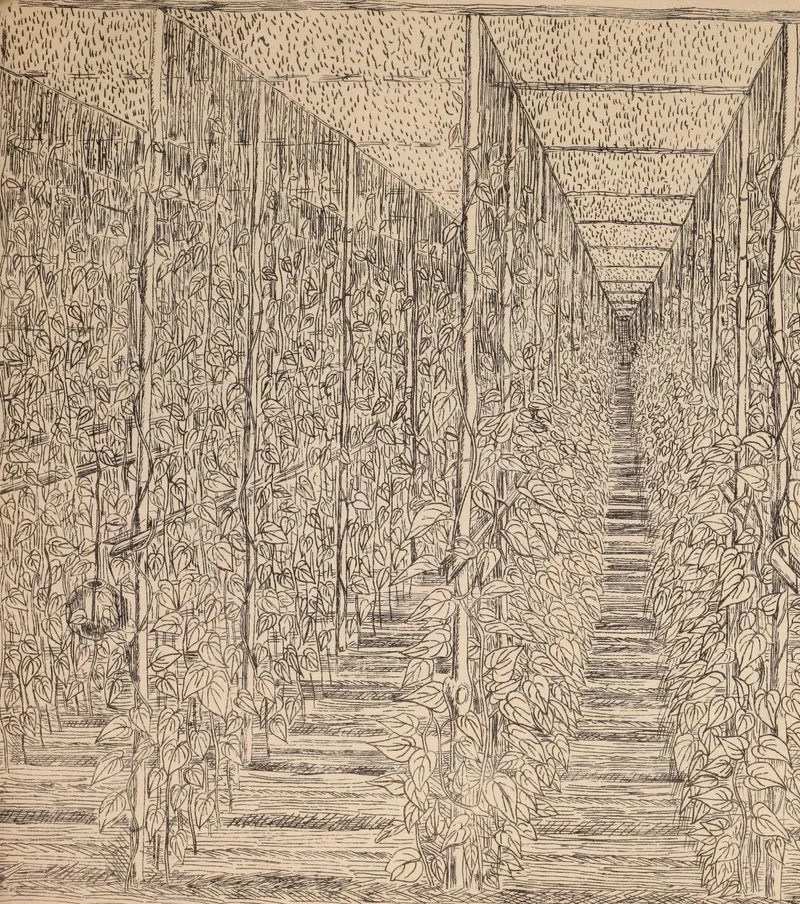
The betel vine, which families call nagbel, grows in a covered garden known as the bareja.

What families often ask first

What families often value first

  • Four lines for the lineage — the gotra, the mother's gotra or family, the family deity and the samaj — each in the family's own words.
  • Search by native district — Sagar, Damoh, Chhatarpur, Lalitpur, Mahoba, Gwalior, Jabalpur, Varanasi, Prayagraj and many more.
  • Every profile you see belongs to a Chaurasia, Barai, Tamoli or Tamboli family, with its samaj and home district there to read.

What your family will find inside

Gotra, kuldev and home district

The gotra and the mother's side, the family deity and the home district each have a place on the profile.

Government ID verified members stand out

Members who complete Government ID verification carry a clear mark, giving your family added reassurance at a glance.

Narrow the search by native district

From Mahoba and Chhatarpur to Neemuch and Bharatpur, a family can look within its own district first, then across the whole community.

Lineage recorded your way

The gotra, the mother's gotra or family, the family deity and the samaj are each written as your elders say them — there is no list you have to fit into.

Education, work, and family background together

Degrees, professions, and family character read clearly on every profile, in the same order elders weigh an alliance.

Contact details are not shown openly

Phone numbers and email are not shown openly on profiles. A member uses the Reveal Contact feature to see another member's details and reach out directly when they are ready to take an introduction forward.

Interest is never lost

Shortlists and the profiles your family has already opened stay saved, so you can return to a promising profile after the household has talked it over.

Built around how Chaurasia alliances are made

For many families the first question is the gotra and the next is the home district; both are answered before anyone calls.

Why families feel at ease

Why Chaurasia families feel at home

The details that decide an alliance sit together in one place, presented the way your family would present them.

The name your elders use

Chaurasia, Barai, Tamoli or Tamboli: the samaj or group line takes whichever one your family says.

Nag Devta, named on the profile

Many families write Nag Devta as their family deity, and the profile has a line for it.

Comfortable for parents and members alike

Whether the search is led by a parent, a sibling, or the member themselves, the profile reads clearly for all of them.

Move at your family's pace, with tradition honoured up front and you reach out when your family is ready.

Heritage

Under a roof of grass

The bareja, a covered garden of bamboo and grass, is part of what Chaurasia, Barai, Tamoli and Tamboli families carry from their past.

A vine grown from cuttings

The vine is grown from cuttings, not from seed, so each garden begins with cuttings laid in the earth under a little grass in early spring. The hot wind of summer and the frost of winter are what a garden is guarded against, and the first leaves are ready by the rains.

Pali, Bilaua and Mahoba

Pali in Lalitpur and Bilaua near Gwalior are noted for their betel gardens in records more than a century old, and both keep Chaurasia Divas today; at Mahoba, a record of 1909 already speaks of gardens kept there for centuries.

Today Chaurasia families are found in every walk of life.

Faith

Chaurasia Divas

Nag Panchami falls in Sawan and is kept by Hindu families everywhere; many Chaurasia families keep it as their own day, Chaurasia Divas.

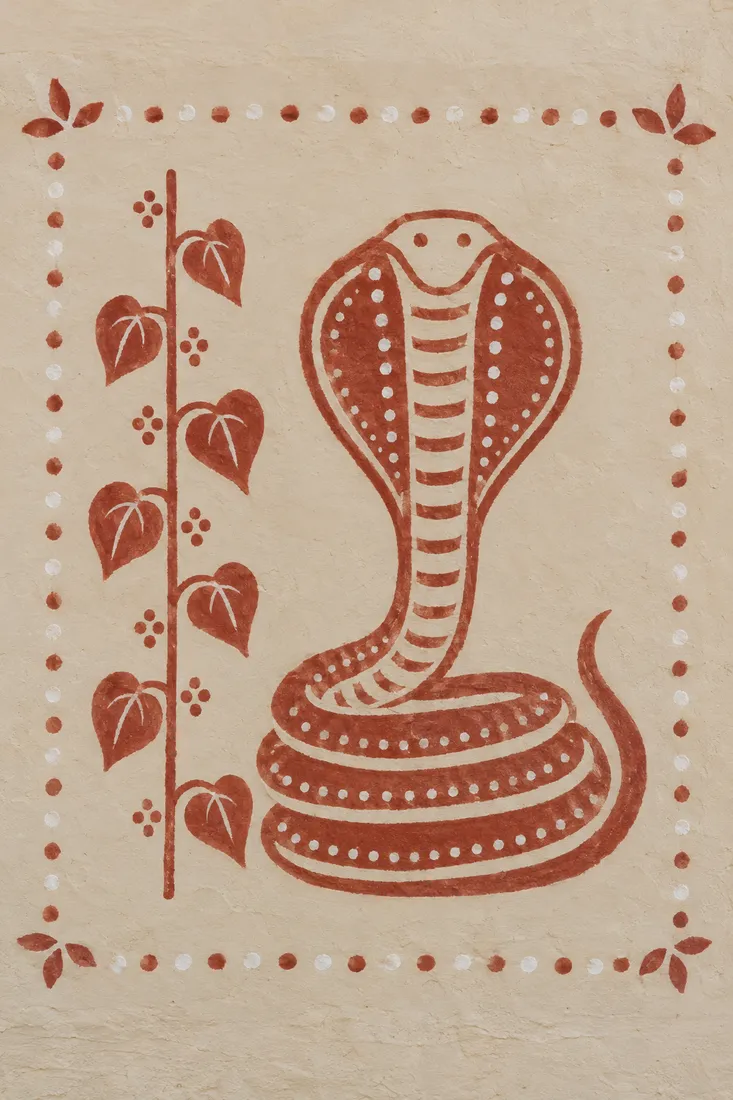
An illustration of a Nag Panchami wall drawing in red ochre and white on a mud wall: Nag Devta as a calm cobra with its hood spread, beside a betel vine with heart-shaped leaves

Nag Devta

Many families honour Nag Devta as their family deity. Where a family keeps a garden, the worship is held there, and a record of 1916 notes that no leaf of the garden was touched that day.

Kalash and processions

In towns such as Pali and Bilaua, the day brings processions, women carrying kalash, and the elders of the samaj honoured.

The day is kept a little differently in every town.

Gotra

What the old records ask of a match

The old records give these families more than one rule, and each looks beyond the father's line.

The gotra and close kin

A record of 1916 bars a match within the gotra, and between close relatives connected through the women of the family.

Uncles and aunts

An account of 1896 keeps a match away from the families of both uncles and both aunts, for as long as the relationship is remembered.

Families already joined

Another account of 1896 holds that a family does not marry again into a family it is already joined to by marriage within living memory.

Four lines on the profile

The gotra, the mother's gotra or family, the family deity and the samaj each have their own line, written in the family's own words.

Today's families keep these rules in their own measure.

Questions families ask

Common questions from Chaurasia families

Will we only see Chaurasia profiles here?

Yes. Registering through this page places your profile in the Chaurasia community — Chaurasia, Barai, Tamoli and Tamboli families — and every profile you see, match with, or contact belongs to it.

How is our family's lineage recorded?

A line each for your gotra and your mother's gotra or family, and for your family deity and your samaj or group, all in your own words. No line is drawn from your surname, and you may leave any of them blank.

Does our family need to keep a garden to register here?

No. The bareja is part of the families' heritage, not a condition; this page is for every Chaurasia, Barai, Tamoli and Tamboli family, whatever its work today.

Will our phone number be visible to everyone?

It is not shown openly on your profile. A member who wants to take an introduction forward can see your contact through the app's Reveal Contact feature and reach you directly, and Government-ID-verified badges help you know who you are speaking with.

Next step

Register or login when your family is ready to continue

Create your account and step into the Chaurasia space on Sri Guru Raghavendra Matrimony, where your gotra, your family deity and your native district are part of every profile from the first day — for Chaurasia, Barai, Tamoli and Tamboli families wherever they live today, and your family sets the pace.