Sri Guru Raghavendra Matrimony™ emblem
SRI GURU RAGHAVENDRA MATRIMONY™

A share in the village, and a goddess at its centre

Patidar / Patel Matrimony

Patidar means one who holds a share — a pati — in the village, and for the Leuva and Kadva Patel families of Gujarat the village has stayed at the centre of things: the place a family is from, the circle of villages it marries among, the goddess it keeps. This page begins there, with Unjha and Kagvad, and with the families who carried their villages with them to Saurashtra and Kutch, to East Africa, Britain and America.

Leuva Patidar (Leva Patel)Kadva Patidar (Kadva Patel)Leva Patil (Khandesh)

Begin when you are ready

Register now, or read about Patidar heritage first

Creating an account takes a few minutes. If your family prefers to understand the space first, the sections below walk through the share the name means, Leuva and Kadva, the Leva Patil families of Khandesh, the village a family belongs to, the two mother shrines at Unjha and Kagvad, and the school that began with sixteen rupees and six pupils.

Registrations from this page stay within the Patidar community — every profile your family sees and contacts belongs to it.
The share, the village and the goddess

A heritage your family carries every day

The name itself means a share — a pati — in a village's land, and Leuva and Kadva families carry it alike.

Patidar families are at home in Charotar and north Gujarat, in Saurashtra and Kutch, and from each of these they went on to East Africa, Britain and America — carrying their villages with them, so that the old village circles still meet again far from home.

So an alliance here begins with what a Patidar household names first — Leuva or Kadva, the family village, the samaj, and the goddess the house keeps — with the dignity your family expects.

What families often ask first

What families often value first

  • Your family's group — Leuva, Kadva or Leva Patil (Khandesh) — is named on every profile, and your family decides whether to look only within its own group.
  • Your family village, your samaj and your kuldevi sit beside each other on the profile, each in your own words.
  • Search by native place across Anand, Kheda, Mehsana, Gandhinagar, Ahmedabad, Rajkot, Amreli, Morbi, Surat, Kutch and beyond.

What your family will find inside

The family's group, the village and the goddess — all in plain view

These are the details Patidar households settle first — and they are visible before any contact is exchanged.

Government ID verified members stand out

Members who complete Government ID verification carry a clear mark, giving your family added reassurance at a glance.

The family's group, named on every profile

Every profile here states its group plainly — Leuva, Kadva or Leva Patil (Khandesh) — so your family can see where a household belongs before any conversation begins.

Filter by native place and family origin

Narrow the search by native place — Anand, Kheda, Mehsana, Gandhinagar, Ahmedabad, Vadodara, Rajkot, Amreli, Morbi, Junagadh, Bhavnagar, Surat, Kutch and many more.

Education, work, and family background together

Degrees, professions, and family character read clearly on every profile, in the same order elders weigh an alliance.

Contact details are not shown openly

Phone numbers and email are not shown openly on profiles. A member uses the Reveal Contact feature to see another member's details and reach out directly when they are ready to take an introduction forward.

Interest is never lost

Shortlists and the profiles your family has already opened stay saved, so you can return to a promising profile after the household has talked it over.

Built around how Patidar alliances actually happen

Whether your family looks within its own samaj or further afield, in Gujarat or in London, Nairobi or New Jersey, the things that decide it — the family's group, the family village and the goddess of the house — are always in view.

Why families feel at ease

Why Patidar families feel at home

The details that decide an alliance sit together in one place, presented the way your family would present them.

Your own group, and your own choice

Some households have always married within their own group; others are open to more. Each family's group is plain on every profile, so no one has to ask the question aloud.

The village comes first

Before anything else, two Patidar families ask where the other's family is from. Your family village is on the profile, written the way your family says it, whether you live in Anand or in London.

Comfortable for parents and members alike

Whether the search is led by a parent, a sibling, or the member themselves, the profile reads clearly for all of them.

Move at your family's pace, with tradition honoured up front and you reach out when your family is ready.

The name

A share in the land

Patidar is a name with its meaning in plain sight, and the meaning is the place to begin.

The holder of a pati

A pati is a share. In the old sharehold villages of central Gujarat the land was held in shares by the families who farmed it, and those who held a share were its patidars. The name the community carries is that share.

Learned in every soil

An account of Gujarat's farming families written more than a century ago says of Leuva and Kadva households that they knew the nature of every soil and what every crop needed. A share in a village's land was held by people who knew that land well.

A name is carried differently in every family — this is heritage held with pride, not a single rule book.

Two sides of one community

Leuva and Kadva

The Gujarati families this page is for are Leuva or Kadva; each side keeps its own circles of villages, and each household its own goddess.

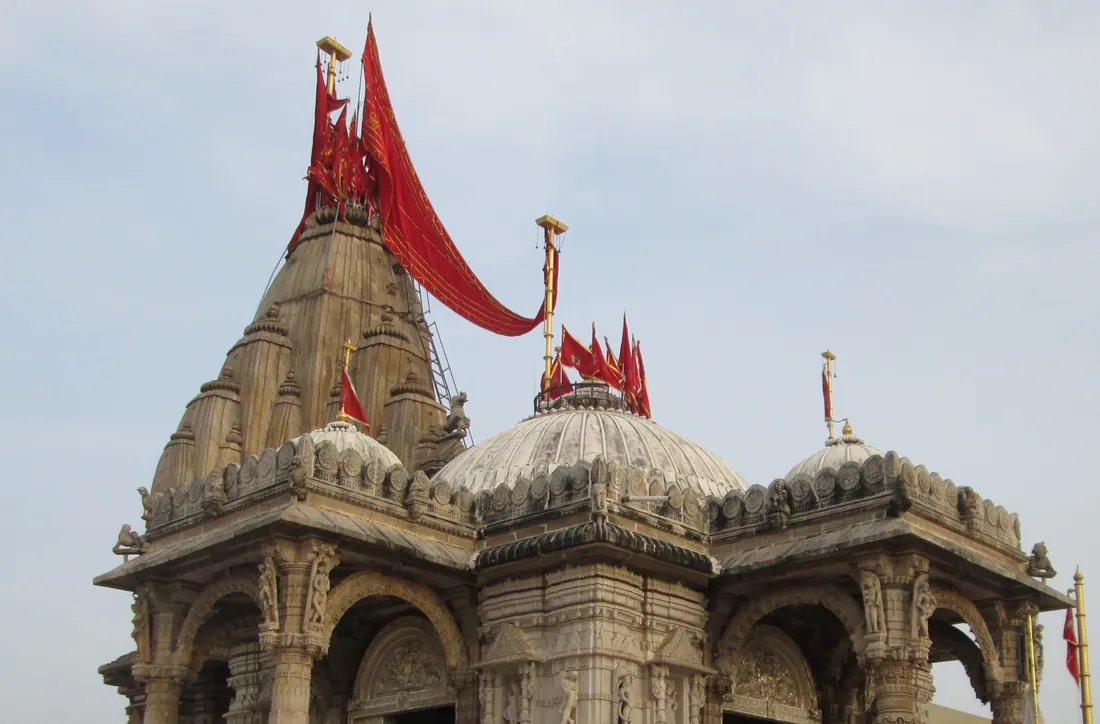
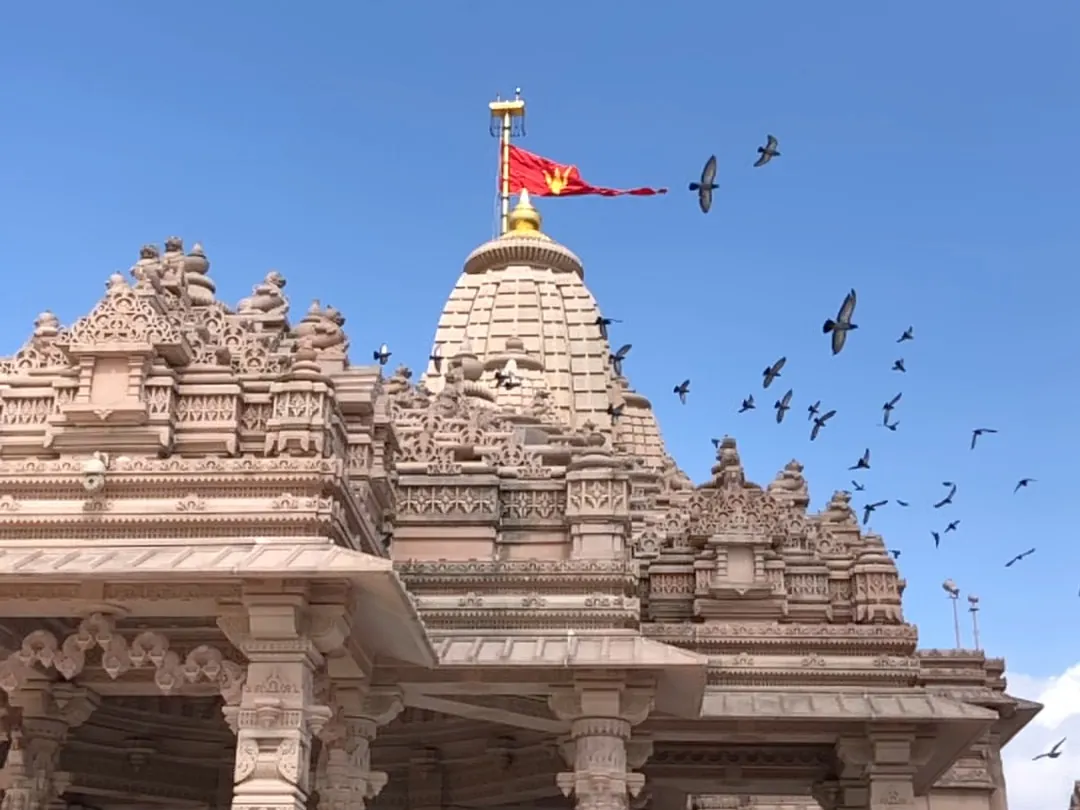
The pink-stone shikhara of Khodaldham at Kagvad against a clear blue sky, its red flag lifting in the wind and pigeons wheeling past

Leuva families

Leuva Patel families — Leva or Lewa, as many write it — come above all from Charotar, around Anand, Nadiad and Borsad, and from Saurashtra and Kutch. In Saurashtra, Leuva families raised the temple of Khodaldham at Kagvad together.

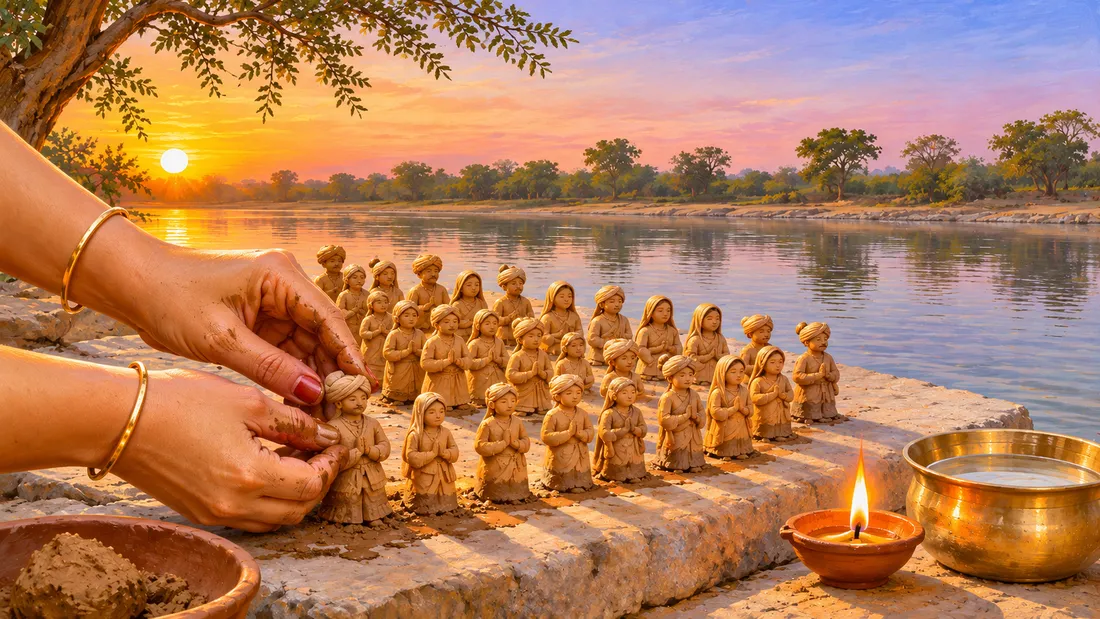
Hands dusted with river clay shaping the last of many small unfired clay figures of men in turbans and women with covered heads, hands folded, on a stone slab by a river at dawn, a clay lamp burning beside them

Kadva families, and the clay at Unjha

Kadva Patel families — Kadwa or Kadava, as many write it — come above all from north Gujarat, around Ahmedabad and Kadi, and from Saurashtra and Kutch, and Unjha is their seat. By tradition, Uma shaped the first Kadva families from clay, Shiva gave them life at her asking, and Unjha was founded for them, with a temple raised there in her honour.

Families of Kutch, and families abroad

Leuva and Kadva families whose villages are in Kutch — many of them long settled in East Africa and Britain — choose Leuva or Kadva here and name Kutch as their native place, exactly as a family in Anand or Mehsana does.

Whichever side a family belongs to, it is the family's own to name, and its own to be proud of.

Khandesh

Leva Patil families of Khandesh

Leva Patil families of Khandesh — of Jalgaon, Bhusawal and the towns around them — are welcome here too, under their own name.

Their own group

A Leva Patil family chooses Leva Patil (Khandesh) when it registers, so the name stands plainly on its profile beside Leuva and Kadva. Many Khandesh families also write Leva Patidar; either way, the group is theirs to choose.

In their own words

The family village, the family deity and a gotra, if the family keeps one, are written on the profile the way the family says them, and any of them may be left blank. The native place shows where the family's roots are, Jalgaon or wherever it may be.

Each family's customs are its own — nothing here assumes them for a household.

How a family is known

The village a family belongs to

Ask a Patidar family who they are and the answer begins with a village.

The family village

A Patidar household is known by its village — the gaam its father's family comes from — and within that village every family is counted as kin, so a marriage is traditionally made with a family from another village.

The samaj, the circle a family marries among

Many households also belong to a samaj or gol, the circle of villages their family has long married among — a custom families across Gujarat keep, and Patidar households with them. A family from the same circle will know it the moment they read your profile.

The goddess the house keeps

Beside the village sits the kuldevi, the family goddess, and a gotra too if your family names one. Each is written on the profile in your own words — there is no list you have to fit into — and you may leave any of them blank.

Practice differs from one village and one family to another — this is heritage held with pride, not a single rule book.

Faith in the household

Two mother shrines

Two temples hold a particular place for many Patidar families — Maa Umiya's at Unjha and Khodal Maa's at Kagvad.

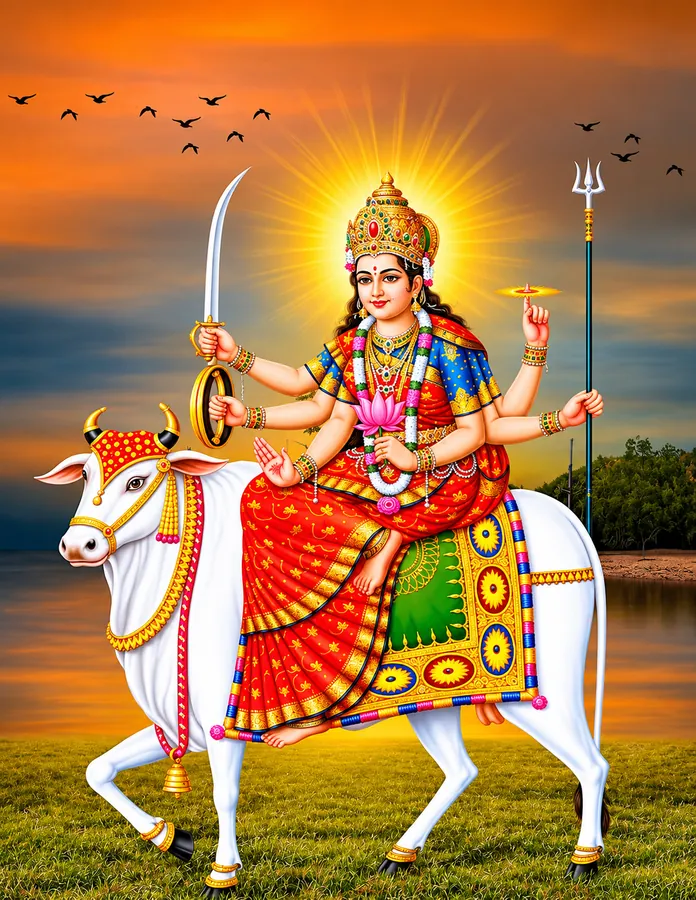
A devotional painting of Maa Umiya seated on a white bull, a trishul, a lotus and a sword in her hands and one hand raised in blessing

Maa Umiya at Unjha

The temple of Maa Umiya at Unjha, in Mehsana district, is the seat Kadva families have come to for generations, from long distances, to keep their vows. By tradition the goddess was established there by Shiva himself, and she is the kuldevi most Kadva households name.

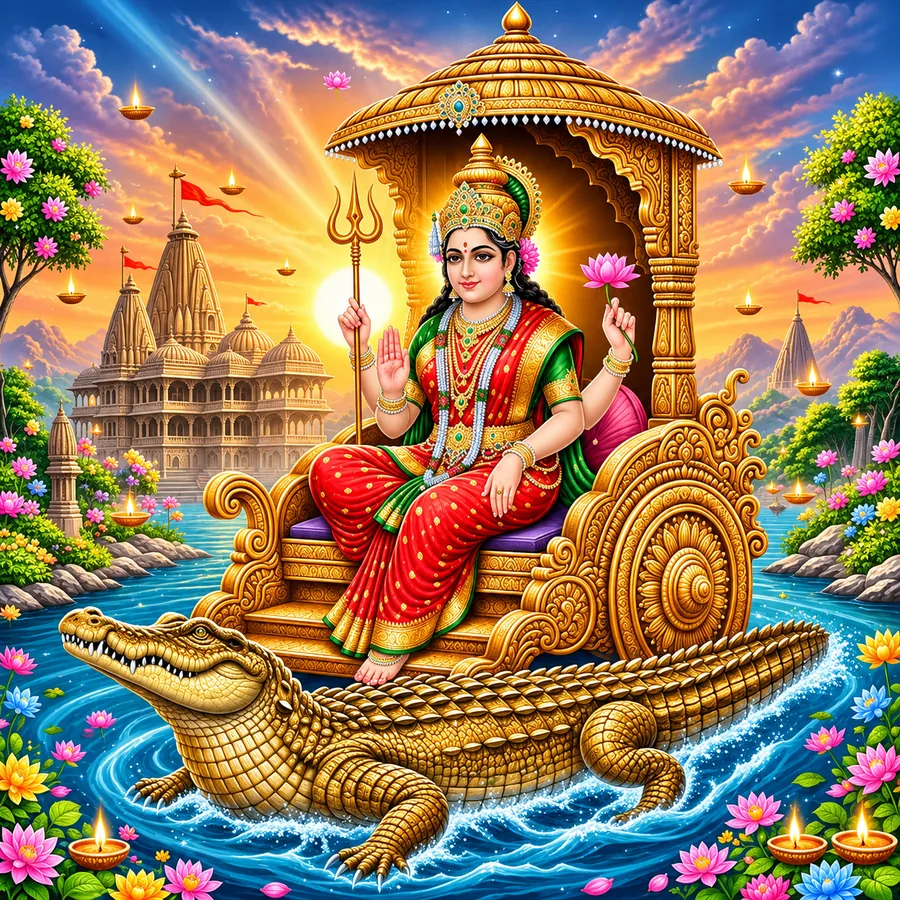
A devotional painting of Khodal Maa seated on a golden throne borne by a crocodile on blue water, a trishul in one hand and the other raised in blessing, lamps and lotuses all around

Khodal Maa at Khodaldham

At Kagvad, near Jetpur in Rajkot district, Leuva Patel families of Saurashtra raised a temple of pink stone to Khodal Maa together, through a trust of their own, and consecrated it in January 2017.

The way of worship a household keeps

Beyond the family goddess, a Patidar home follows the way of worship it has always kept — Swaminarayan, Pushti Marg, Shaiva and others — and nothing on this site assumes one for you.

Devotion is honoured here on its own terms. Nothing on this site ranks one form of it above another.

What the community built

Sixteen rupees and six pupils

Some of the most lasting things Patidar families made were schools and hostels, and two of them began very small.

Kadi, 1919

On 8 June 1919 a society of Kadva Patidar families was founded at Kadi with sixteen rupees and six pupils, begun by Chhaganlal Pitambardas Patel — remembered as Chhaganbha. It grew into the Sarva Vidyalaya Kelavani Mandal, which now runs schools and colleges at Kadi and Gandhinagar and founded Kadi Sarva Vishwavidyalaya — open, in its own words, to every student whatever their background.

  • Founded 8 June 1919
  • Sixteen rupees and six pupils
  • Today schools, colleges and a university, open to every student

Saurashtra's students in Ahmedabad, 1953

On 4 October 1953 Saurashtra Patel families founded the Shree Saurashtra Patel Kelavani Mandal, so that their children could live and study in Ahmedabad. Its first hostel opened in 1957 with eight rooms; its girls' hostel now has room for about eight hundred and sixty, and girls' education, in the society's own words, was its aim from the very beginning.

Both are told here as the institutions themselves tell their own beginnings.

Questions families ask

Common questions from Patidar / Patel families

Whose profiles will we see here?

Registering through this page places your profile beside Leuva and Kadva Patel families and Leva Patil families of Khandesh, and every profile you see, match with, or contact is one of them. Each profile names its own group, so you know from the first look where a family belongs.

How is our family's lineage recorded?

First by your family village — the gaam your father's family comes from, which Patidar families traditionally do not marry within. Beside it you can write your samaj or gol, the circle of villages your family has long married among, and your kuldevi; and if your family also names a gotra, there is a place for that too. Each is written in your own words, nothing is guessed from a surname, and you may leave any of it blank.

We are Leuva, Kadva or Leva Patil (Khandesh). Will we be shown the other groups?

Yes, unless your family chooses otherwise. Every profile names its own group, so with one filter your family can keep its search within its own group, or look at the others too if it is open to that. That decision belongs to your household alone.

Our family carries the Patel name but is neither Leuva nor Kadva. Is this our page?

Patel is a name many Gujarati families carry, and this page is for Leuva and Kadva Patidar households, and for Leva Patil families of Khandesh. If your family belongs to another community that carries the name, please tell us through the request option in the app — it is the kind of request that decides what we open next.

Will our phone number be visible to everyone?

It is not shown openly on your profile. A member who wants to take an introduction forward can see your contact through the app's Reveal Contact feature and reach you directly, and Government-ID-verified badges help you know who you are speaking with.

Next step

Register or login when your family is ready to continue

Create your account and step into the Patidar space on Sri Guru Raghavendra Matrimony, where your group (Leuva, Kadva or Leva Patil of Khandesh), your family village and the goddess your house keeps are part of every profile from the first day — and your family sets the pace.