Sri Guru Raghavendra Matrimony™ emblem
SRI GURU RAGHAVENDRA MATRIMONY™

The Telugu families of the tank and the field

Mudiraj Matrimony

A community that has kept the knowledge of the village tank, the river bend and the fields the tank feeds — and that opens every alliance with the house name a family carries — deserves a matrimony space that asks the right questions first: the intiperu, the family deity, native place and family character, all on the profile from the start.

MudirajPaligiriOrugantiOther Mudiraj community

Begin when you are ready

Register now, or read about the Mudiraj heritage first

Creating an account takes a few minutes. If your family prefers to understand the space first, the sections below walk through the community's heritage of water and land, the goddess Ankamma and the story it keeps, the house name that opens every alliance, and the schools the community built for itself.

Registrations from this page stay within the Mudiraj community — every profile your family sees and contacts belongs to the community.
A heritage of water, land, and the house name

A heritage your family carries every day

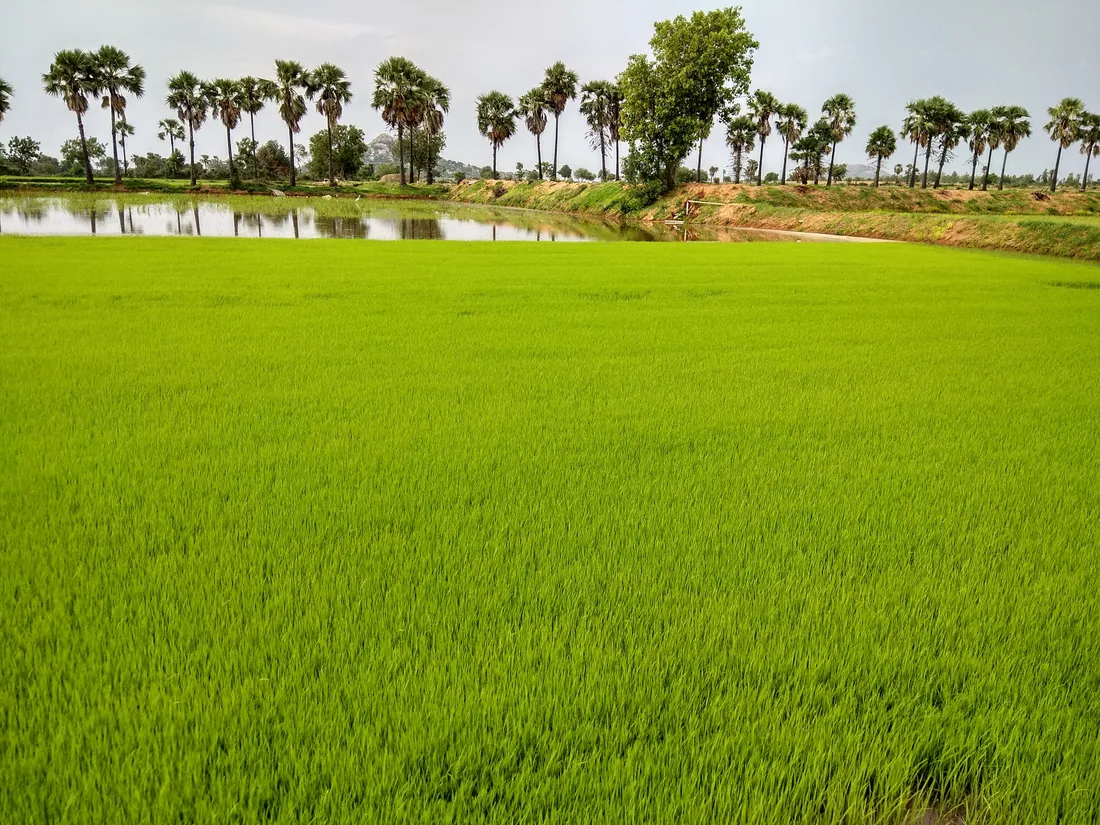
Mudiraj families have long lived where Telangana and Andhra keep their water — the village tank, the river bend, and the fields the tank feeds — and the knowledge of all three has come down through the same households for generations. The community is known by several names across the Telugu country: Mudiraj and Mudiraju, Mutrasi, and Tenugollu, with older records writing it Mutracha, Muttirajulu and Muttarasan.

The community's own story begins with a mother: the goddess Ankamma heard a child crying and sent her jackal to fetch him — but the child would not go with the animal, so the goddess came and carried him herself, and raised him as her own. She has been kept as the family's goddess ever since. A Mudiraj alliance turns first to the intiperu, the house name a family carries, and an alliance is kept outside one's own house name — many households say gotram when they mean exactly this, and either word is welcome here.

On Sri Guru Raghavendra Matrimony the intiperu, the deity the household keeps and the native village stand at the top of the profile — the three things asked on the first phone call, in that order — so a Mudiraj alliance begins informed, and with the dignity your family expects.

What families often ask first

What families often value first

  • Profiles state the intiperu — the house name — the family deity and native place up front, so your family knows the essentials before the first conversation.
  • Mudiraj, Mudiraju, Mutrasi and Tenugollu families will find their community here, under whichever of its names your household uses.
  • Registrations from this page stay within the Mudiraj community, so every profile your family considers belongs to the community.

What your family will find inside

Everything your family checks, before the first phone call

These are the details Mudiraj households settle first — and they are visible before any contact is exchanged.

Government ID verified members stand out

Members who complete Government ID verification carry a clear mark, giving your family added reassurance at a glance.

Filter by house name, deity and native place

Narrow the search by the intiperu a family carries, by the kula devata it keeps, and by native district and family origin.

Education, work, and family background together

Degrees, professions, and family character read clearly on every profile, in the same order elders weigh an alliance.

Lineage recorded your way

Write your house name in your own words, exactly as your family says it. Many households say gotram and mean the house name — write whichever word is yours.

Contact details are not shown openly

Phone numbers and email are not shown openly on profiles. A member uses the Reveal Contact feature to see another member's details and reach out directly when they are ready to take an introduction forward.

Interest is never lost

Shortlists and the profiles your family has already opened stay saved, so you can return to a promising profile after the household has talked it over.

Built around how Mudiraj alliances actually happen

Whether your family's search stays within one district of Telangana or reaches to Bengaluru and beyond, the details that matter — the house name, the family deity and the native place — are always in view.

Why families feel at ease

Why Mudiraj families feel at home

The details that decide an alliance sit together in one place, presented the way your family would present them.

The first question is the intiperu

Every profile your family opens here belongs to a Mudiraj household, so the first question is the intiperu, not who these people are.

Every name the community carries

Mudiraju, Mutrasi and Tenugollu households all belong here, whichever name your family uses and whichever district it comes from.

Comfortable for parents and members alike

Whether the search is led by a parent, a sibling, or the member themselves, the profile reads clearly for all of them.

Move at your family's pace, with tradition honoured up front and you reach out when your family is ready.

Understanding the heritage

A heritage of water and land

Where Telangana and Andhra keep their water — the village tank, the river bend, and the fields the tank feeds — Mudiraj families have carried the knowledge of all three through the same households for generations.

The field and the tank together

Cultivation and the knowledge of inland water belong together in Mudiraj households — the fields the tank feeds, and the tank itself: how it fills and falls with the season, where the fish run in it, and when to take them. Both are exacting skills, and both have come down the same households for generations.

  • The village tank, the cheruvu, and the year it keeps
  • The fields the tank feeds
  • The river bend and the water-knowledge that goes with it

The names the community carries

Across the Telugu country the same community answers to more than one name — Mudiraj and Mudiraju, Mutrasi in some districts, Tenugollu in others. Older records write it Mutracha, Muttirajulu and Muttarasan, and families recognise their own among them.

  • Mudiraj, Mudiraju — the names most widely used
  • Mutrasi and Tenugollu, as other households name it
  • Recorded in older sources as Mutracha, Muttirajulu, Muttarasan

Practice and emphasis differ from one family network to another — this is heritage held with pride, not a single rule book. Families of the Tamil land who know themselves as Muttiriyan or Mutharaiyar are closely connected — many households count them as the same people. Those families register under the name they answer to.

A heritage of devotion

Ankamma, the goddess who raised a child

This community’s story does not begin with a founder. It begins with a mother.

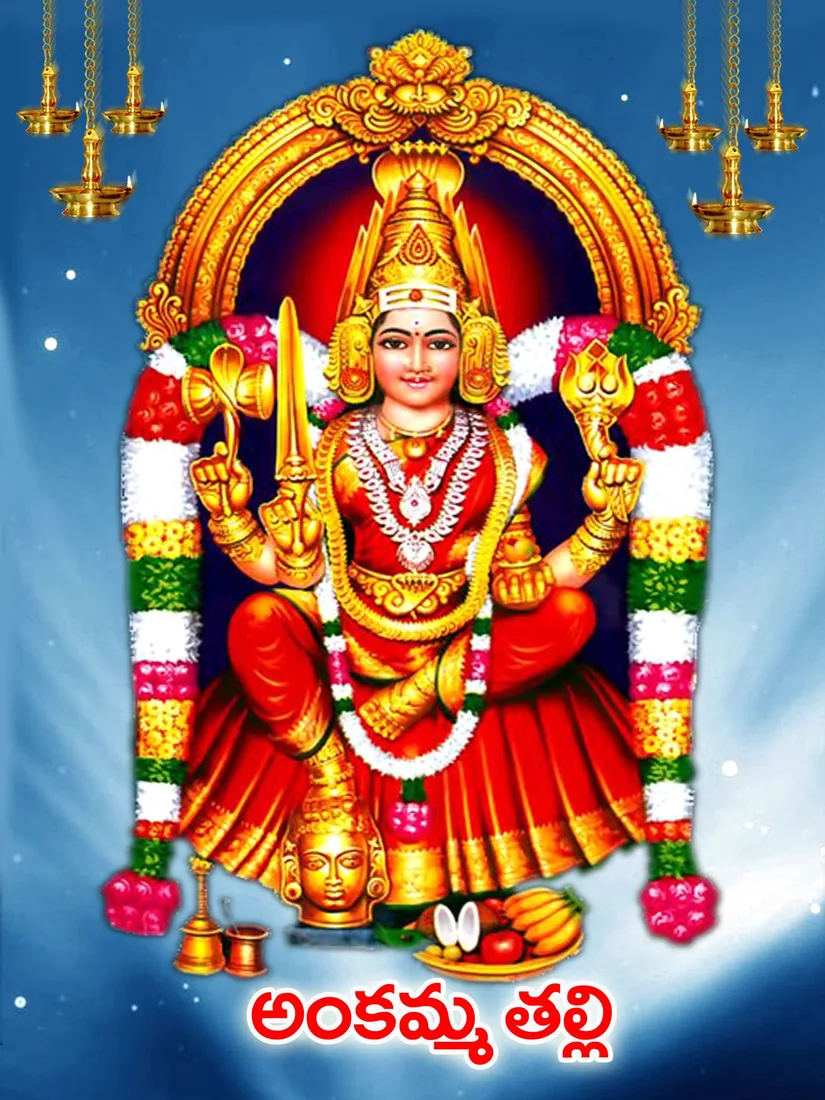
Ankamma Thalli, the goddess Mudiraj families keep as their own, seated in red and gold beneath hanging lamps with offerings set before her, her name written in Telugu

The story the community keeps

As the community tells it, the goddess Ankamma heard a child crying and sent her jackal to fetch him — but the child would not go with the animal, so the goddess came and carried him herself, and raised him as her own. He is remembered as Ravideviraju, and after him his three sons, Karnam Raju, Gangi Raju and Bhupathi Raju, from whom the community traces itself. Families know her by more than one name, and each household uses its own.

  • Ankamma, kept as the family's own goddess
  • Also named Ankalamma, Angalamma, Kati Ankamma
  • Ankala Parameswari and Angala Parameswari in some households

The story and the house names, side by side

Look at the house names that have come down — Avula the cow, Marri the banyan, Nakka the jackal, Guvvala the doves, Tota the garden — and you find the same world the goddess's story is told in. The jackal the goddess sent is a house name too.

These deities and sacred places are mentioned with reverence and gratitude alone, as heritage the community holds dear. No endorsement is implied, and devotional matters rest with each family and its elders.

The night the story is told

The Ankamma kolupu

This is a rite of the household and the courtyard rather than of the temple — which is much of why families hold it so close.

A muggu drawn on the floor

On the night of the Ankamma kolupu the goddess's story is told aloud over a coloured muggu drawn on the floor in rice or wheat flour, turmeric, kumkum and charcoal. It belongs to the house and the courtyard.

  • The muggu drawn in flour, turmeric, kumkum and charcoal
  • The goddess's story recited aloud through the night
  • A household observance, kept in the courtyard

The Telangana year around it

Around the household rites runs the wider Telangana year that Mudiraj families keep alongside their neighbours — Bathukamma, when flowers are stacked and floated, and Bonalu, and Sankranti with its muggu drawn bright at every threshold. These belong to the whole region, and the community keeps them as part of it.

Festivals and their customs are cherished differently from one household to another; they are shared here as heritage the community holds dear.

Understanding the traditions

The intiperu: the house name a family carries

Before education, often before the horoscope itself, a Mudiraj alliance turns to the intiperu — the house name. It is the marker families use to keep an alliance outside the same line.

Marriage outside the house name

An alliance is kept outside one's own intiperu. Many Telugu households say gotram when they mean exactly this house name, and either word is welcome on the profile — write whichever your family uses. The names below were recorded a century ago and are offered only as examples; write your family's own, and leave it blank if your household no longer keeps one.

  • Avula, Marri, Nakka, Guvvala, Tota — house names long recorded
  • Arigala, Busi, Puli, Ella, Indla, Iga, Koppula, Thumu
  • Write your own, in your own words
  • Leave it blank if your household no longer keeps one

The family deity, and the native village

Alongside the house name, families name their kula devata — most often Ankamma under one of her names — and the native village the household comes from. House names in this community are most often drawn from the living world — a tree, a bird, an animal, a household thing — and the native village is named beside it, in its own right — the village an elder still names when asked where the family is from.

Households differ in how they weigh the house name — some settle it first, others read it alongside the horoscope and the family's overall comfort. This community keeps no single founding guru or matha; the figure at the head of its story is Ankamma herself, as the mother who raised a child.

A community that builds together

Schools, hostels, and a school for girls

When the community organised for itself, what it built first was places to learn.

From 1922 onwards

From 1922 the community's own Mahasabha — founded by Korvi Krishna Swamy Mudiraj, who led it for some forty years — set about building schools, hostels, libraries and reading rooms, and worked to bring the community's girls into schooling.

A community at home in Bengaluru

Telugu-speaking families have long settled in Bengaluru and across the Kannada border districts, and Sri Guru Raghavendra Matrimony is based in the city — so a search that begins in Telangana and a search that begins in Bengaluru meet in the same place.

Community institutions are mentioned as heritage and service alone; this space is not affiliated with any association.

Questions families ask

Common questions from Mudiraj families

Will we only see Mudiraj profiles here?

Yes. Registering through this page places your profile in the dedicated Mudiraj section — Mudiraju, Mutrasi and Tenugollu families alike — and every profile you see, match with, or contact belongs to it.

We know ourselves as Mutrasi, or as Tenugollu — is this the right place for us?

Yes. These are names the same community carries across different districts of the Telugu country, and all of them belong here. Older records also write the name Mutracha, Muttirajulu and Muttarasan. Families of the Tamil land who know themselves as Muttiriyan or Mutharaiyar are closely connected — many households count them as the same people. Those families register under the name they answer to.

How is our family's lineage recorded?

Your intiperu — the house name your family carries — is written in your own words, exactly as your family says it, and your kula devata alongside it. Many Telugu households say gotram when they mean the house name, so write whichever word is yours. There is no single list drawn up, so nothing is chosen for you, and a house name is never inferred from a surname.

Will our phone number be visible to everyone?

It is not shown openly on your profile. A member who wants to take an introduction forward can see your contact through the app's Reveal Contact feature and reach you directly, and Government-ID-verified badges help you know who you are speaking with.

Next step

Register or login when your family is ready to continue

Create your account and step into the Mudiraj section of Sri Guru Raghavendra Matrimony, where the intiperu — the house name your family carries — the family deity and native place are part of every profile, and your family sets the pace.