Sri Guru Raghavendra Matrimony™ emblem
SRI GURU RAGHAVENDRA MATRIMONY™

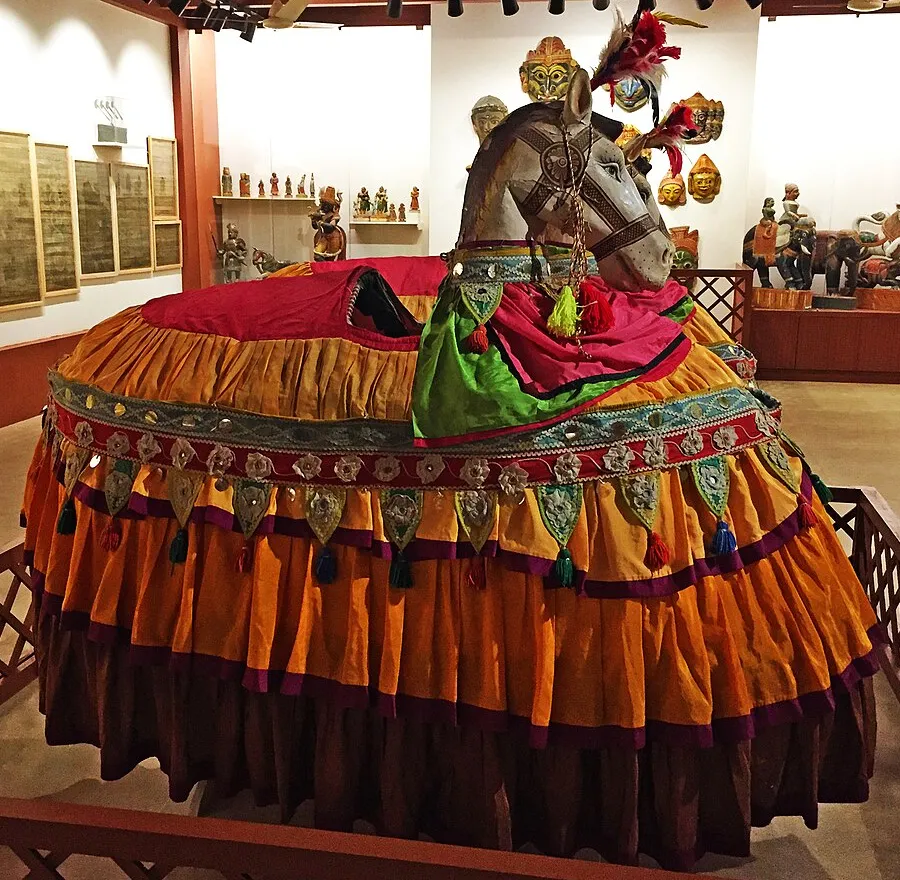
A bamboo horse, each Chaitra

Kaibarta Matrimony

Each Chaitra, a horse of bamboo and cloth is built in Odisha's coastal villages and danced for Maa Baseli. This page is for Kaibarta families of Odisha, wherever they live today.

Kaibarta

Begin when you are ready

Register now, or read about Kaibarta heritage first

Creating an account takes a few minutes. If your family prefers to understand the space first, the sections below walk through where Kaibarta families call home, Chaiti Ghoda, the songs for Maa Baseli, and the gotra and kula devata lines.

Registrations from this page stay among Kaibarta families of Odisha — every profile your family sees and contacts belongs to one of them.
Cuttack, Kendrapara and Puri

A heritage your family carries every day

Kaibarta families live across Odisha, in Cuttack, Kendrapara and Puri among other districts, and Odia is the language of their homes.

Chaiti Ghoda, the horse dance of the month of Chaitra, began among Kaibarta families of Odisha's coast, and it still draws the villages around to watch.

Its songs open with the praise of Maa Baseli, and singers draw their verses from the Kaibarta Gita and its companion books.

What families often ask first

What families often value first

  • Lines on every profile for the gotra and the kula devata, written your family's way.
  • Search by native district, in Cuttack, Kendrapara, Puri or any other district of Odisha, and look among Odia-speaking homes.
  • The families you meet here are Kaibarta families of Odisha, each profile naming its home district and mother tongue.

What your family will find inside

What a Kaibarta home reads on a profile

A Kaibarta household can read the gotra and the native district on a profile at its own pace, before deciding whom to call.

Government ID verified members stand out

Members who complete Government ID verification carry a clear mark, giving your family added reassurance at a glance.

Narrow the search by native district

Look first among families from Cuttack, Kendrapara or Puri, or open the search to every district of Odisha and the cities beyond.

Lineage recorded your way

The gotra and the kula devata go down in the words your elders use, or a line is left unfilled when a family keeps none.

Education, work, and family background together

Degrees, professions, and family character read clearly on every profile, in the same order elders weigh an alliance.

Contact details are not shown openly

Phone numbers and email are not shown openly on profiles. A member uses the Reveal Contact feature to see another member's details and reach out directly when they are ready to take an introduction forward.

Interest is never lost

Shortlists and the profiles your family has already opened stay saved, so you can return to a promising profile after the household has talked it over.

Shaped by how Kaibarta families settle a match

From the first day, two homes can read each other's gotra, family deity and home district, and the first conversation can start from there.

Why families feel at ease

Why Kaibarta families feel at home

The details that decide an alliance sit together in one place, presented the way your family would present them.

Far from home, close to it

A family that has moved to a city can still look first for a match from its own district of Odisha.

Among Kaibarta households

Your search stays among Kaibarta households, in Odisha and wherever families have settled since.

Comfortable for parents and members alike

Whether the search is led by a parent, a sibling, or the member themselves, the profile reads clearly for all of them.

Move at your family's pace, with tradition honoured up front and you reach out when your family is ready.

Odisha's coast, and beyond

Homes along Odisha's coast

Kaibarta families have their roots in Odisha, and on its coast the horse dance of Chaitra began among them.

Cuttack to Puri

Cuttack, Kendrapara and Puri are among the districts families name as home, and Kaibarta homes are found elsewhere in Odisha and beyond it.

Kaibarta, and Keuta

In Odia the name is written କୈବର୍ତ୍ତ, just as it stands in the title of the Kaibarta Gita, and families also call themselves Keuta, କେଉଟ.

Odia in the house

At home families speak Odia, and the mother tongue on every profile lets a family look among Odia-speaking homes.

Where a family's roots lie, and how it tells its own story, is for the family to say.

Chaiti Ghoda

A horse for Maa Baseli

Chaiti Ghoda, also called Ghoda Nacha, is the horse dance of the Chaitra season, and its month runs from the full moon of Chaitra to the full moon of Baisakha.

Twelve strips of bamboo

On the full moon of Chaitra, a length of bamboo is marked with vermilion before a lamp and split into twelve strips, and the horse's frame is built from them.

Red clay and hibiscus

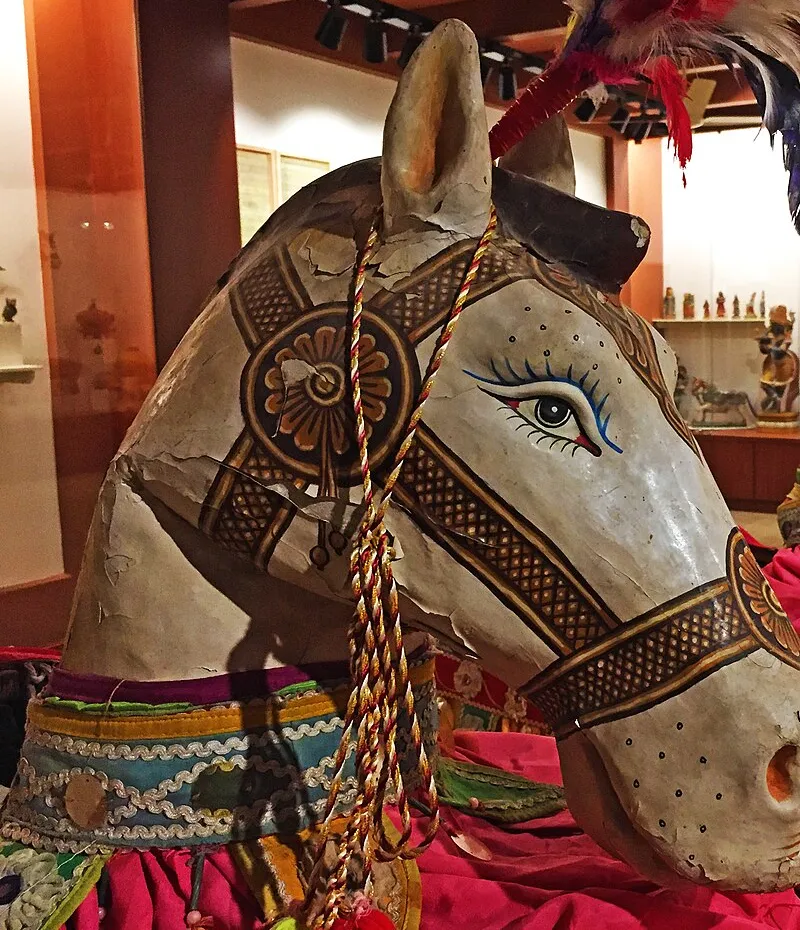
The frame is coloured with red clay, a painted wooden head is fixed to it with a garland of hibiscus, and the horse is worshipped for eight days before it dances.

Rauta and Rautani

The Rauta and the Rautani dance to the songs and to the mahuri and the dhol, and the Rautani's part has long been played by a man.

From one full moon to the next

The horse dances through the month, until the full moon of Baisakha, and the villages around gather to watch.

Chaiti Ghoda began among Kaibarta families, and today many of their neighbours join in as well.

Maa Baseli

The songs begin with Maa Baseli

Chaiti Ghoda opens with the praise of Maa Baseli, a goddess of the Shakta tradition, before the singers turn to other stories.

Radha and Krishna, Shiva and Parvati

After the praise of Maa Baseli, the songs and the dance move to Radha and Krishna's play and to the story of Shiva and Parvati.

Verses from the Kaibarta Gita

There is no single book: the singer draws verses from the Kaibarta Gita, the Kaibarta Purana and the Kaibarta Samhita, and sets them to the old tunes.

Set down by Achyutananda Das

The sixteenth-century Odia poet Achyutananda Das described the goddess's worship in detail in his Kaibarta Gita.

Kept until the next Chaitra

When the month ends, the wooden head is lifted from its frame and kept in the local temple until the next Chaitra brings it out again.

Each village keeps the goddess and the festival in its own way; these lines follow the dance as it is commonly described.

Gotra and kula devata

The gotra and the kula devata, when your family keeps them

Two lines on the profile belong to the family's lineage: the gotra, and the kula devata, the family's own deity, for families who keep them.

If the elders name a gotra

Write it in the family's own spelling.

A deity of the family's own

A family that keeps a kula devata writes her or his name here, as the elders say it.

Seen before the first talk

When both homes have written them, each can read the other's lines before the first conversation.

What the gotra means for a match is for the two families to decide.

Questions families ask

Common questions from Kaibarta families

Will we only see Kaibarta profiles here?

Yes. Registering through this page places your profile among Kaibarta families of Odisha, and every profile you see, match with, or contact belongs to one of them.

How is our family's lineage recorded?

The profile carries a gotra line and a kula devata line. Fill each as your family names it, or leave it blank if your family keeps none. Neither is ever worked out from a surname.

Our family left Odisha years ago. Can we register here?

Yes. Kaibarta families of Odisha register here wherever they live today, and the native district on your profile still points back to your family's home.

Will our phone number be visible to everyone?

It is not shown openly on your profile. A member who wants to take an introduction forward can see your contact through the app's Reveal Contact feature and reach you directly, and Government-ID-verified badges help you know who you are speaking with.

Next step

Register or login when your family is ready to continue

Create your account and step into the Kaibarta space on Sri Guru Raghavendra Matrimony, where your gotra, your kula devata and your native district are part of every profile from the first day — for Kaibarta families of Odisha wherever they live today, and your family sets the pace.