Sri Guru Raghavendra Matrimony™ emblem
SRI GURU RAGHAVENDRA MATRIMONY™

The land, the fort, and the family

Maratha Matrimony

A community rooted in Maharashtra's soil — its farmers and soldiers, its builders of forts and keepers of the land, its devotion to Tulja Bhavani and the road to Pandharpur — deserves a matrimony space that asks the right questions first: sub-community, kul and devak, native region, and family character, all on the profile from the start.

96 Kuli Maratha (Shahannava Kuli)Maratha KunbiOther Maratha community

Begin when you are ready

Register now, or read about the Maratha heritage first

Creating an account takes a few minutes. If your family prefers to understand the space first, the sections below walk through the community's heritage of fort and field, the devak and kul system, the family deities and the Varkari path, and the living culture the community holds dear.

Registrations from this page stay within the Maratha section — every profile your family sees and contacts belongs to the community.
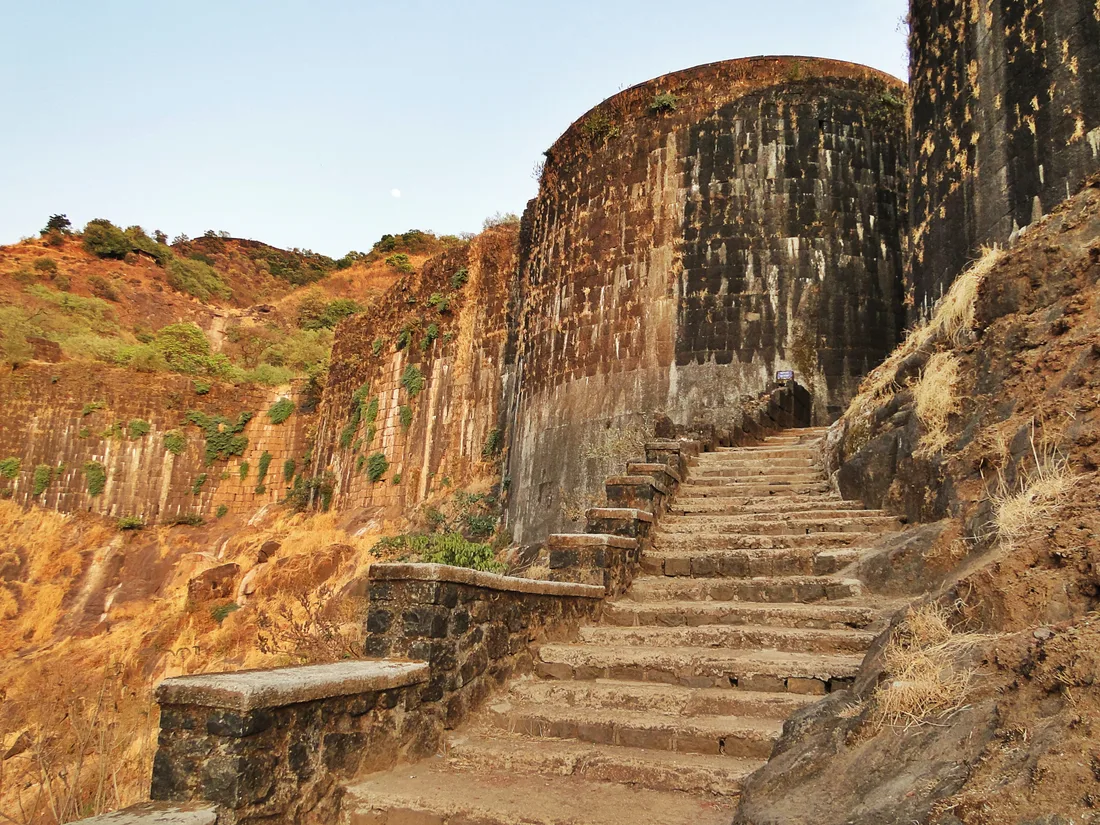
A heritage of fort, field, and devotion

A heritage your family carries every day

The Marathas are one of the great communities of Maharashtra — cultivators and soldiers, administrators and builders, whose story is written into the land itself, from the black soil of the Deccan to the hill-forts of the Sahyadris. Theirs is a heritage of the plough and the fort, of village self-rule and public service, remembered in the legacy of Chhatrapati Shivaji Maharaj and the Swarajya he founded.

By tradition a Maratha alliance opens with the family's kul, its devak, and the native region that holds its roots — the markers a household settles before anything else — and turns in devotion to the family deity, the kuldaivat, whether Tulja Bhavani of Tuljapur, Khandoba of Jejuri, or Vitthal of Pandharpur.

Sri Guru Raghavendra Matrimony presents those details on every profile, in the order your elders actually weigh them — so a Maratha alliance begins informed, and with the dignity your family expects.

What families often ask first

What families often value first

  • Profiles state sub-community, kul and devak, and native region up front, so your family knows the essentials before the first conversation.
  • Maratha families across Maharashtra and beyond — the 96 Kuli and the Maratha Kunbi families alike — will find their community represented.
  • Registrations from this page stay within the Maratha section, so every profile your family considers belongs to the community.

What your family will find inside

Everything your family checks, before the first phone call

These are the details Maratha households settle first — and they are visible before any contact is exchanged.

Government ID verified members stand out

Members who complete Government ID verification carry a clear mark, giving your family added reassurance at a glance.

Filter by kul, devak, and native place

Narrow the search by kul and devak, native place, and family origin — the lineage checks a Maratha family weighs first.

Education, work, and family background together

Degrees, professions, and family character read clearly on every profile, in the same order elders weigh an alliance.

Lineage recorded your way

Record your family's kul, devak, and gotra as free text, exactly as your family names them, so the lineage checks your elders rely on are settled up front.

Contact details are not shown openly

Phone numbers and email are not shown openly on profiles. A member uses the Reveal Contact feature to see another member's details and reach out directly when they are ready to take an introduction forward.

Interest is never lost

Shortlists and expressed interest stay saved, so your family can return to a promising profile after the household has talked it over.

Built around how Maratha alliances actually happen

Whether your family's search stays within one district of Maharashtra or reaches across the Deccan and beyond, the details that matter — kul, devak, and native region — are always in view.

Why families feel at ease

Why Maratha families feel at home

The details that decide an alliance sit together in one place, presented the way your family would present them.

A community-scoped beginning

Your search stays within the Maratha community pool, so every introduction starts from shared roots.

Kul and devak, honoured up front

The kul and devak checks a Maratha family relies on are settled on the profile itself, before any conversation begins.

Comfortable for parents and members alike

Whether the search is led by a parent, a sibling, or the member themselves, the profile reads clearly for all of them.

Move at your family's pace, with tradition honoured up front and you reach out when your family is ready.

Understanding the heritage

A heritage of fort, field, and self-rule

The Maratha heritage is written in the land — in the fields of the Deccan and the hill-forts of the Sahyadris. It is a story of cultivators and soldiers, of village self-government and public service, and of the Swarajya founded by Chhatrapati Shivaji Maharaj.

The land, the plough, and the fort

Marathas have long been a community of the land — farmers and cultivators of the Deccan, keepers of the village, and builders and defenders of the great hill-forts. From agriculture and trade to the organisation of the village and the fort, theirs is a heritage of work, discipline, and service that families carry with pride.

The legacy of the Chhatrapatis

The Maratha story begins with Chhatrapati Shivaji Maharaj and the Swarajya he founded — his own heritage honoured in its own section here. Chhatrapati Sambhaji Maharaj, Rajaram Maharaj and Maharani Tarabai upheld that self-rule through its hardest years, and Punyashloka Ahilyabai Holkar is revered across India for her just rule and her restoration of temples.

  • Chhatrapati Shivaji Maharaj — founder of the Maratha Swarajya
  • Chhatrapati Sambhaji Maharaj and Rajaram Maharaj — successors who defended the kingdom
  • Maharani Tarabai — a leader who steered the Swarajya through its hardest years
  • Punyashloka Ahilyabai Holkar — revered across India for just rule and the restoration of temples

This heritage is recalled with pride and gratitude, as the community's own contribution to the story of the land. No ranking of any community is intended.

A heritage of leadership

Chhatrapati Shivaji Maharaj

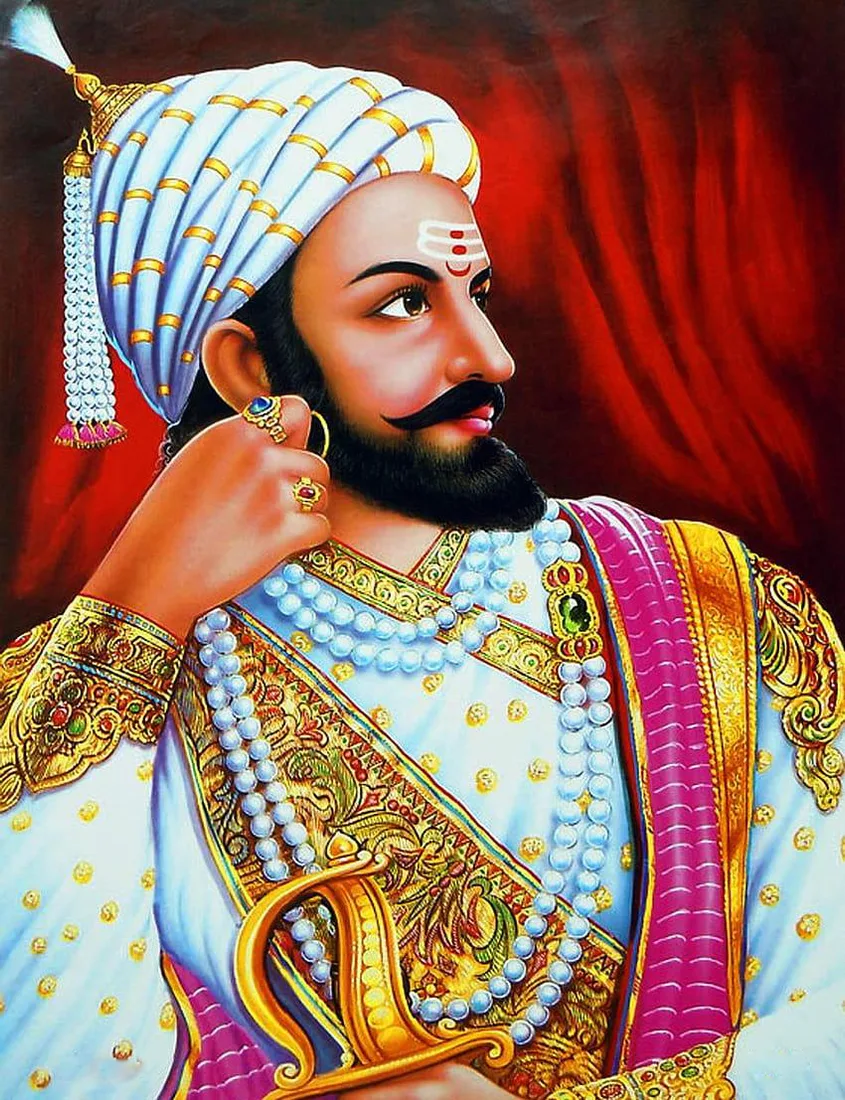
No name is woven more closely into the Maratha heritage than that of Chhatrapati Shivaji Maharaj — founder of the Maratha Swarajya, remembered across the land for his courage, his devotion, and his gift for just and orderly rule.

Chhatrapati Shivaji Maharaj, founder of the Maratha Swarajya — the most revered figure of Maratha heritage

The founder of the Swarajya

Crowned Chhatrapati at Raigad in 1674, Shivaji Maharaj raised a kingdom of self-rule from the hill-country of the Sahyadris. He is honoured for his valour and his devotion — to his faith and to his mother, Rajmata Jijabai — and for a rare respect for people of every community and religion, welcoming them into his service and protecting their places of worship.

Statecraft, forts, and a navy

His genius for administration endures in the Ashta Pradhan, the council of eight ministers through which he governed; in the great chain of hill and sea forts he built and repaired; in the navy he raised to guard the Konkan coast; and in his care for the farmer and his promotion of Marathi and Sanskrit in the work of the state.

  • Crowned Chhatrapati at Raigad, 1674
  • The Ashta Pradhan — a council of eight ministers
  • A chain of hill and sea forts, and a navy for the Konkan coast
  • Care for the cultivator, and Marathi and Sanskrit in the work of the state

This heritage is recalled with pride and gratitude, as a cherished part of the story of Maharashtra. No ranking of any community is intended.

One community, the names families know

Who the Maratha community is

This space is for the Maratha community and the families who belong to it. Families recognise themselves by a few familiar names, and each is welcome here on its own terms.

The Maratha families

At its heart the Maratha community gathers the 96 Kuli (Shahannava Kuli) families and the Maratha Kunbi families — long joined as one people of the land, the farmer and the soldier alike. Families register as the group they know themselves by, and all belong to the one Maratha community here.

  • 96 Kuli Maratha (Shahannava Kuli) — the families of the traditional Maratha clans
  • Maratha Kunbi — the Maratha families of the cultivator tradition
  • Other Maratha community — for families who name themselves differently

If your family's name is not listed separately, Other Maratha community keeps you within the same community space. No ranking among these families is intended.

Understanding the traditions

Devak and kul: how Maratha families trace and match lineage

Before education, often before the horoscope itself, a Maratha alliance turns to the family's devak and kul. These are the markers families use to keep an alliance outside the same ancestral line.

The devak, the family's own token

The devak is the Maratha family's kul-devak — a sacred token, often a tree, leaf, or emblem such as the pipal, the kadamb, or the panch-pallav of five leaves — honoured at the wedding and passed down the family line. By tradition two families of the same devak are treated as one lineage, so an alliance is sought outside it. It is the distinctive Maratha check, weighed alongside the kul.

  • Same devak is avoided, like a shared ancestral line
  • The kul (clan) is weighed together with the devak
  • The match stays within the Maratha community

How we record it

Maratha lineage is recorded as your family's own — the kul (from the traditional clans), the devak, and the gotra where a family keeps one — each written the way your family already says it, with no single fixed list imposed. Many Maratha families weigh the devak and kul first and hold the gotra lightly.

  • Enter your kul, devak, and gotra in your own words
  • The devak and kul checks can happen before any contact is exchanged
  • Your kuldaivat, the family deity, sits alongside as a mark of family and faith

Households differ in how strictly they weigh the lineage line — some settle the devak and kul first, others read them alongside the horoscope and the family's overall comfort. A devak is never inferred from a surname; each family names its own.

A heritage of devotion

The family deities the community holds dear

Maratha devotion turns to the kuldaivat, the family deity handed down through the generations, and to the great shrines of Maharashtra where families gather in faith.

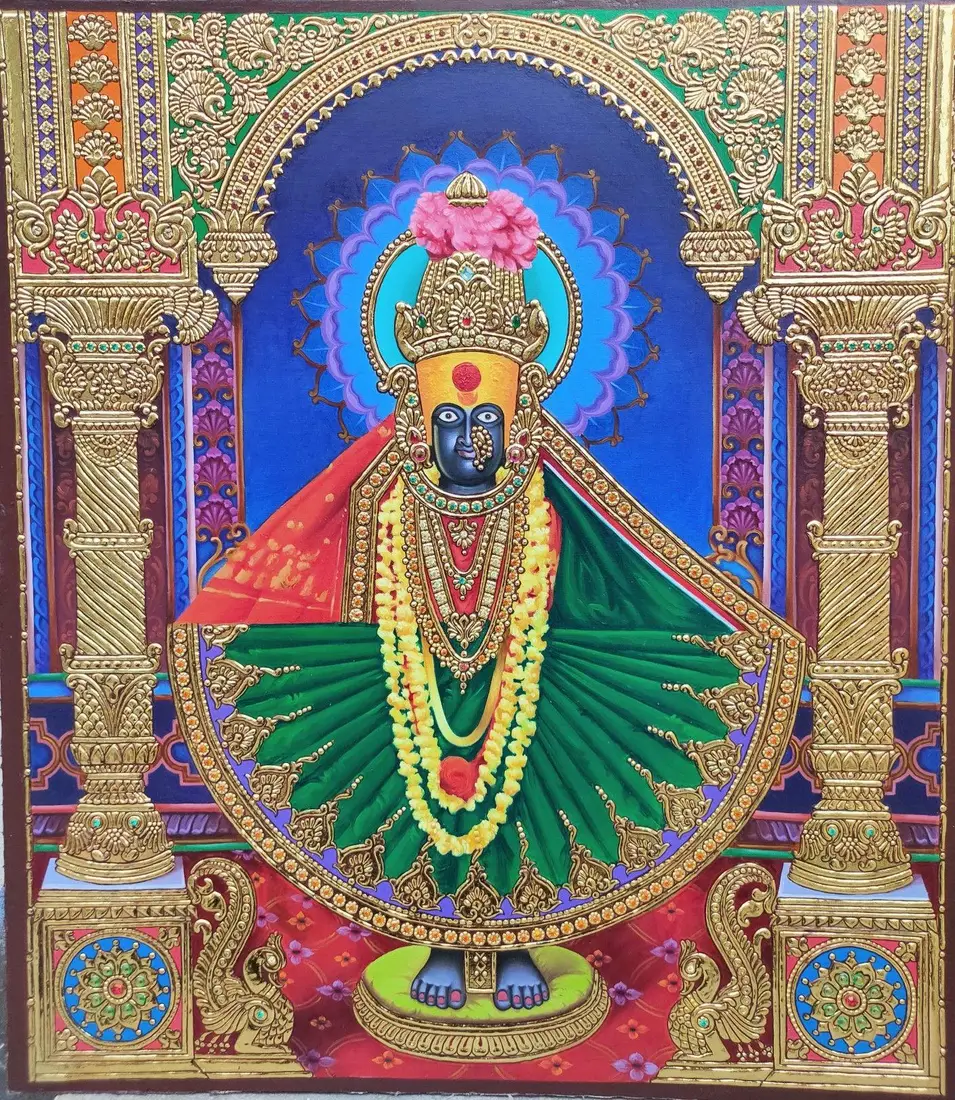
Goddess Tulja Bhavani of Tuljapur, adorned in the temple — honoured as a family deity (kuldevi) among many Maratha families

Bhavani, Khandoba, and Vitthal

Goddess Tulja Bhavani of Tuljapur is honoured as a family deity by many Maratha households; Khandoba of Jejuri, a beloved form of Shiva, is among the most cherished family deities of the Deccan; and Vitthal of Pandharpur draws the devotion of countless families. Mahalakshmi of Kolhapur, Lord Shiva, and Lord Ganapati are held equally dear.

Every family, its own kuldaivat

Which deity a family reveres as its kuldaivat varies from household to household — a devotion carried down the generations. On this space the kuldaivat sits on the profile as a mark of family and faith, honoured but never a bar to an alliance.

  • Tulja Bhavani (Tuljapur) and Mahalakshmi (Kolhapur)
  • Khandoba of Jejuri and Jotiba of the hills
  • Vitthal of Pandharpur, with Shiva and Ganapati

These deities and shrines are mentioned with reverence and gratitude alone, as the community's living tradition. No endorsement is implied, and devotional matters rest with each family and its elders.

A heritage of devotion

The Varkari road to Pandharpur

For generations, the devotional heart of Maharashtra has beaten along the road to Pandharpur — the Varkari path of song, pilgrimage, and the saints whose abhangs the whole land still sings.

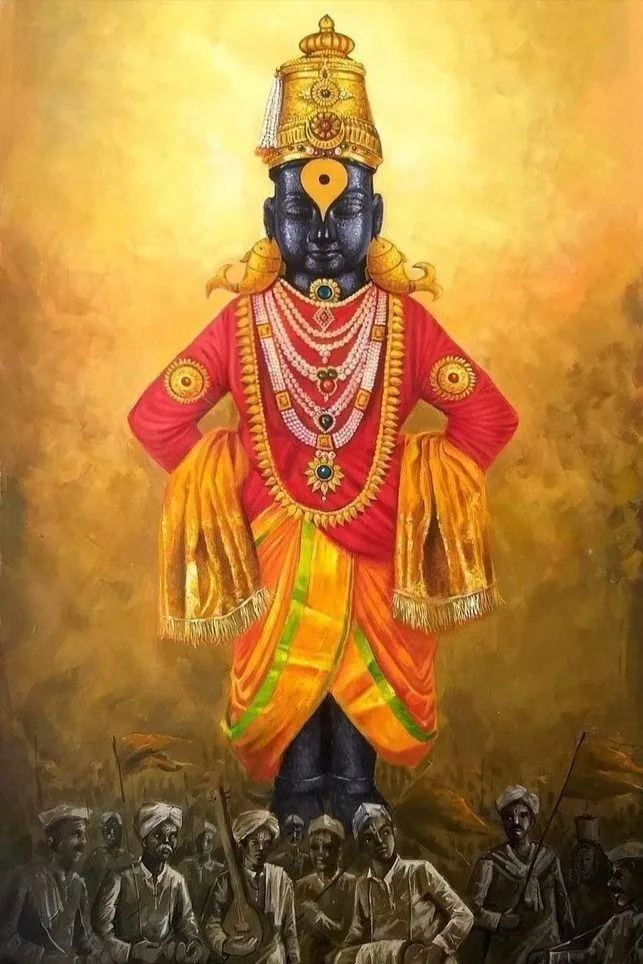
Lord Vitthal (Vithoba) of Pandharpur, standing with his hands upon his hips — the deity of the Varkari pilgrimage, revered by countless Maratha families

The wari and the Ekadashis

Each year the Varkari pilgrims walk the wari to Pandharpur, to stand before Vitthal on Ashadhi Ekadashi and again at Kartiki Ekadashi — a river of devotion and palkhis, and the abhangs sung along the way, in which farmer and family walk together in faith before God.

The saints of Maharashtra

The Bhakti tradition of the land is carried in the words of its sants — Dnyaneshwar, who gave the Marathi people the Dnyaneshwari; Tukaram and Namdev, whose abhangs are sung to this day; and Eknath and Samarth Ramdas — a devotion of the heart, open to every home.

These saints and observances are recalled with reverence, as the living devotional heritage of Maharashtra.

A heritage the family lives

The festivals, the wedding, and the living culture

Beyond faith and lineage, the Maratha heritage lives in the year's festivals, the warmth of the wedding, and a culture of music, craft, and cuisine that a family carries into every home.

Festivals through the year

The Maratha year turns with Gudhi Padwa, when the bright gudhi is raised at the door for the new year; Ganesh Chaturthi, the great festival of Lord Ganapati; and Navratri, Diwali, and Makar Sankranti, each kept with the family gathered close.

The Maratha wedding

A Maratha wedding unfolds through its own cherished rites — the Sakhar Puda that seals the engagement, the Halad (turmeric) ceremony, the Antarpat curtain lowered for the Mangalashtaka verses, and the Saptapadi — the bride in her Nauvari or Paithani saree, the groom in his pheta.

  • Sakhar Puda, Halad, Antarpat, Mangalashtaka, Saptapadi
  • Nauvari and Paithani sarees; dhoti, kurta, and the pheta
  • The Paithani weave and the Kolhapuri chappals of the land

Music, art, and the table

The living culture sings in the Powada and the Lavani, in the Lezim and the dhol-tasha of festival days, and in the old feats of mallakhamb and kushti. And no gathering is complete without the table — puran poli and modak, bhakri and pithla, misal and varan bhaat — the food of a Maharashtrian home.

Customs, festivals, and flavours vary from region to region and home to home; they are named here with affection, as the shared culture of the community.

Questions families ask

Common questions from Maratha families

Will we only see Maratha profiles here?

Yes. Registering through this page places your profile in the dedicated Maratha section — the 96 Kuli and Maratha Kunbi families — and every profile you see, match with, or contact belongs to it.

How is our family's lineage recorded?

Lineage is recorded as your family's own — your kul (clan), your devak, and your gotra where you keep one — each entered as free text, exactly as your family names them. Alliances traditionally avoid the same devak and kul, and there is no single fixed list imposed on the community. A devak is never inferred from a surname.

Can we note our family deity (kuldaivat)?

Yes. Your kuldaivat — whether Tulja Bhavani, Khandoba, Vitthal, or another — sits on the profile as a mark of family and faith. It is honoured, but never a bar to an alliance.

Will our phone number be visible to everyone?

It is not shown openly on your profile. A member who wants to take an introduction forward can see your contact through the app's Reveal Contact feature and reach you directly, and Government-ID-verified badges help you know who you are speaking with.

Next step

Register or login when your family is ready to continue

Create your account and step into the Maratha section of Sri Guru Raghavendra Matrimony, where kul and devak, native region, and family background are part of every profile — for the Maratha families of Maharashtra and beyond, and your family sets the pace.