Sri Guru Raghavendra Matrimony™ emblem
SRI GURU RAGHAVENDRA MATRIMONY™

The Lodhant, and Lodhanti

Lodhi Matrimony

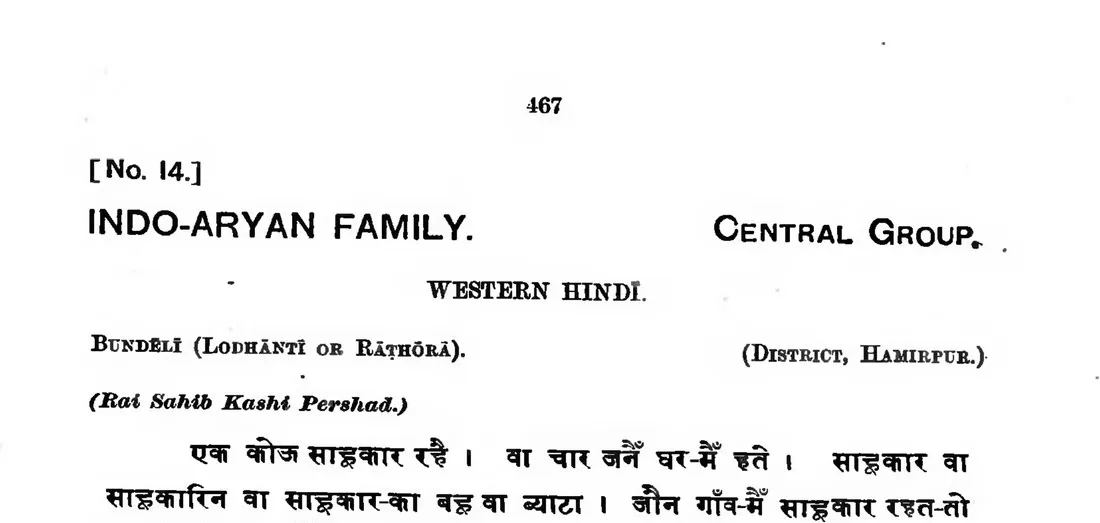
Around Rath, an old survey recorded a stretch of country called the Lodhant, and a Bundeli named after it: Lodhanti. This page is for Hindu Lodhi families of Madhya Pradesh, Uttar Pradesh, Chhattisgarh and Maharashtra, wherever they live today.

Lodhi

Begin when you are ready

Register now, or read about Lodhi heritage first

Creating an account takes a few minutes. If your family prefers to understand the space first, the sections below walk through Lodhanti, the small fields that hold the rain, the two gotras and the doll of dough.

Registrations from this page stay within the Lodhi community — every profile your family sees and contacts belongs to it.
Bundelkhand, the Narmada and the Wainganga

A heritage your family carries every day

Lodhi families name as home Sagar and Damoh, Narsinghpur and Jabalpur, Balaghat and Seoni, Rajnandgaon in Chhattisgarh, Gondia and Bhandara in Maharashtra, and Jhansi, Lalitpur, Jalaun and Hamirpur in Uttar Pradesh.

At home many families speak Bundeli alongside Hindi, and towards Balaghat and Gondia, Marathi as well.

An old record of Lodhi weddings in Chhattisgarh remembers a doll of dough, a handful of cowries and a call from the roof.

What families often ask first

What families often value first

  • A line for the gotra, one for the mother's gotra, and a place for the family deity and the samaj, each written in the family's own words.
  • Search by native district — Sagar, Damoh, Narsinghpur, Jabalpur, Balaghat, Jhansi, Lalitpur, Jalaun and many more.
  • Every profile you see belongs to a Lodhi family, and each one shows the family's mother tongue, Hindi, Marathi or another.

What your family will find inside

The first things a Lodhi family checks

Before anyone picks up the phone, the profile has already answered the first questions.

Government ID verified members stand out

Members who complete Government ID verification carry a clear mark, giving your family added reassurance at a glance.

Narrow the search by native district

Start with families from your own district — Sagar, Damoh, Jabalpur, Balaghat, Jhansi, Lalitpur and many more — and widen the search whenever you like.

Lineage recorded your way

The gotra, the mother's gotra, the family deity and the samaj or group are each written as the family says them — there is no list you have to fit into.

Education, work, and family background together

Degrees, professions, and family character read clearly on every profile, in the same order elders weigh an alliance.

Contact details are not shown openly

Phone numbers and email are not shown openly on profiles. A member uses the Reveal Contact feature to see another member's details and reach out directly when they are ready to take an introduction forward.

Interest is never lost

Shortlists and the profiles your family has already opened stay saved, so you can return to a promising profile after the household has talked it over.

Built around how Lodhi alliances are made

The gotra and the mother's gotra are read first, with the home district beside them, so the first call begins where the elders would begin.

Why families feel at ease

Why Lodhi families feel at home

The details that decide an alliance sit together in one place, presented the way your family would present them.

Two gotras, one look

The family's gotra and the mother's sit together on the profile, so the elders can read both at once.

From your own district outward

A family in Balaghat and a family in Lalitpur can each begin with their own district and look further when they choose.

Comfortable for parents and members alike

Whether the search is led by a parent, a sibling, or the member themselves, the profile reads clearly for all of them.

Move at your family's pace, with tradition honoured up front and you reach out when your family is ready.

Heritage

From the Betwa to the Wainganga

Lodhi homes stand on the Vindhyan plateau, in two great river valleys and across Bundelkhand, and around Rath the old records name a whole stretch of country after the families.

Plateau, valleys and Bundelkhand

Families live on the plateau around Sagar and Damoh, in the Narmada valley around Narsinghpur and Jabalpur, in the Wainganga valley around Balaghat and Seoni and on to Gondia and Bhandara, in Rajnandgaon in Chhattisgarh, and in Bundelkhand from Jhansi and Lalitpur to Orai and Rath — and today in Lucknow, Bhopal, Delhi and far beyond.

Lodhanti, the speech of the Lodhant

The Linguistic Survey of India recorded the country around Rath, and across the Betwa towards Orai, as the Lodhant, and its Bundeli as Lodhanti. Among the words it noted there are baiyar for a wife and khuwahand for a husband, mauti for a pearl and byata for a son. In Balaghat, families whose forebears came from the north kept a Bundeli of their own, mixed with Marathi.

Small fields that hold the rain

The Damoh gazetteer of 1974 describes how Lodhi families farm the Bearma valley: small fields, every one banked to hold the rain, rice through the monsoon and, where the late rains allow, a crop of wheat after it.

The speech of the Lodhant is shared with neighbours of every community there.

Gotra

Neither the family's gotra nor the mother's

An old account of Lodhi marriages sets down the rule in a single line: a match is not made within one's own gotra, nor within the mother's.

The family's gotra

The family's own gotra has the first line on the profile, written as the elders say it.

The mother's gotra

The mother's gotra has a line of its own, so both sides can be checked at the first conversation.

Kuldevi or Kuldevta

Families honour their own Kuldevi or Kuldevta, and there is a line to name the family deity.

The samaj or group

Whatever samaj or group a family belongs to can be written in its own words, for other families to read.

How each family keeps the rule today is for its own elders to say.

Weddings in Chhattisgarh

Are the king and queen here?

A record of 1916 describes two customs of Lodhi weddings in Chhattisgarh: a game, and a call.

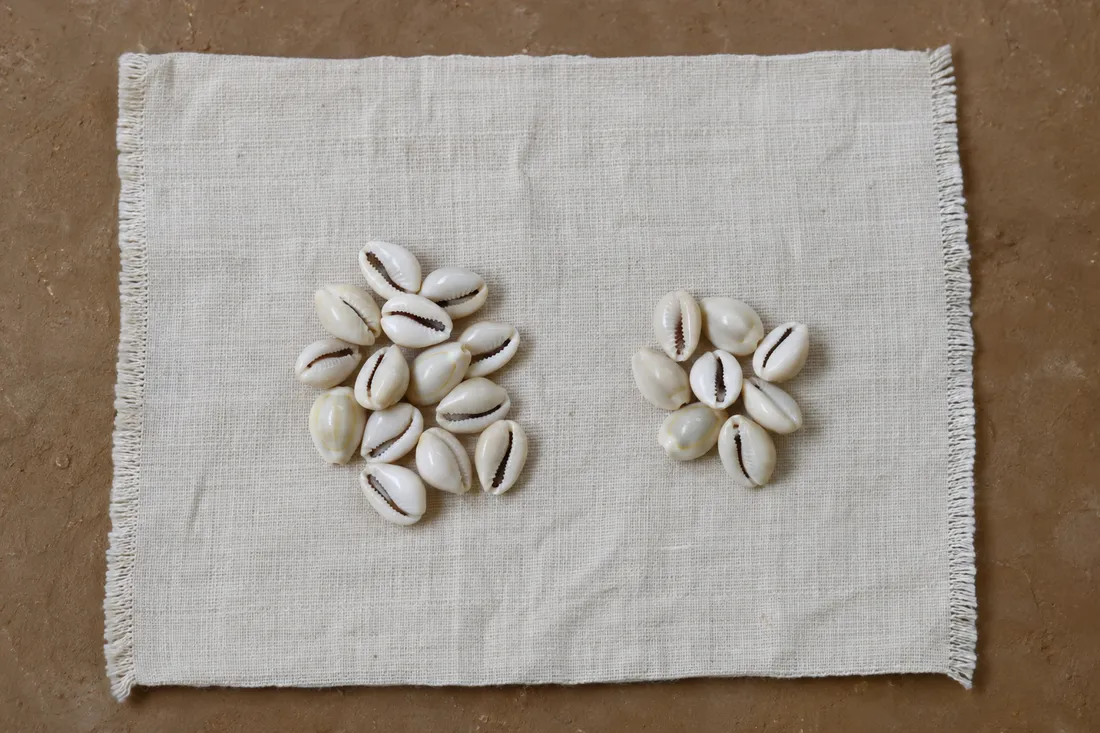
An illustration of white cowrie shells in two small heaps on plain handwoven cotton, one heap a little larger, as if just counted

A doll of dough

The bride and groom held between them a small doll of dough with cowries pressed inside. They pulled it apart together, and each counted the cowries that fell to their own side.

A call from the roof

Before the wedding a voice called down from the roof, asking after the bride and groom: 'Are the king and queen here?' Someone below answered, 'Yes.' The questions ran on — shoes on their feet, rings in their ears, beads at her neck, the doll in their hands — and each was answered, 'Yes.'

A record of 1916, kept here with affection; the customs at a wedding today are for the two families to choose.

Questions families ask

Common questions from Lodhi families

Will we only see Lodhi profiles here?

Yes. Registering through this page places your profile in the Lodhi community, and every profile you see, match with, or contact belongs to it.

How is our family's lineage recorded?

There is a line for your gotra and one for your mother's gotra, each written as your elders say it, with a place for the family deity and your samaj or group. No line is guessed from a family name, and any of them may be left empty.

Our family says Lodh, or Lodhi Rajput — is this our page?

Yes. Whichever name your family uses, this page is yours, and the samaj or group line can carry it in your own words.

Will our phone number be visible to everyone?

It is not shown openly on your profile. A member who wants to take an introduction forward can see your contact through the app's Reveal Contact feature and reach you directly, and Government-ID-verified badges help you know who you are speaking with.

Next step

Register or login when your family is ready to continue

Create your account and step into the Lodhi space on Sri Guru Raghavendra Matrimony, where your gotra, your mother's gotra and your native district are part of every profile from the first day — for Lodhi families of Madhya Pradesh, Uttar Pradesh, Chhattisgarh and Maharashtra, wherever they live today, and your family sets the pace.